Are Vending Machines a Good Investment? The Sober Version
The spread between those figures is almost entirely about where the machine sits and how well it is run.
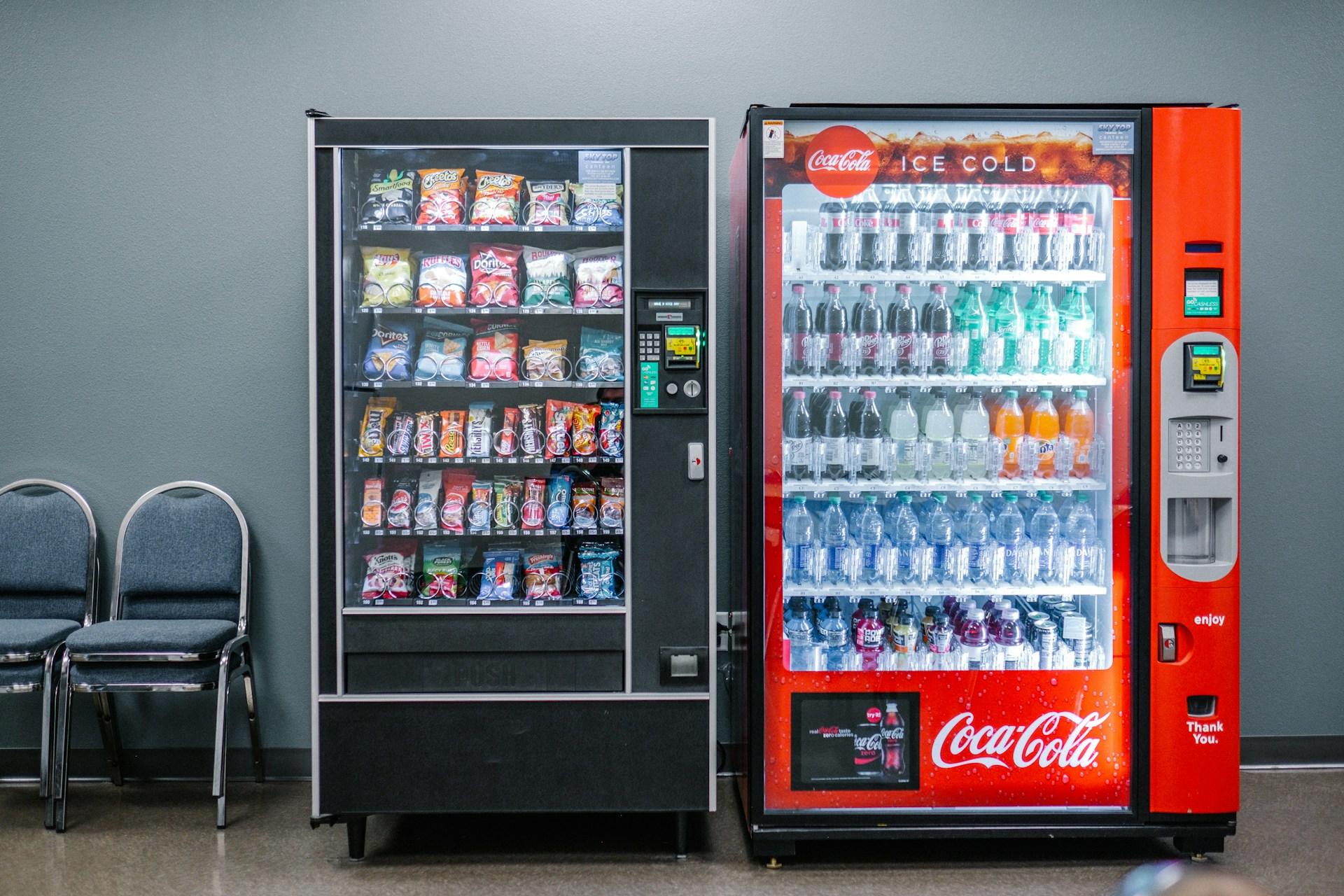
Here is something people selling machines rarely say out loud: a vending machine on its own is not an investment. It is a box. A box in a busy break room with a fair commission and a product mix that fits the crowd is a small, steady business. The same box in a lobby nobody walks through is a slow way to lose a few thousand dollars.
So, are vending machines a good investment? They can be, if you treat them as a hands-on small business and buy only after you have a location that can carry the costs. A single machine typically nets $100 to $500 a month after expenses, and a machine commonly pays for itself in 18 to 24 months. The spread between those figures is almost entirely about where the machine sits and how well it is run. And the return worth measuring is two-sided: what the route pays you, and how many of your hours it needs to do it.
What makes a vending machine a good or bad investment?
A good vending investment has three things going for it before you spend a cent: a captive audience, few competing food options nearby, and terms with the location that leave you a margin. A bad one is usually a machine bought first and placed second.
The pattern we see in operators who struggle is consistent. They buy a machine because it was cheap, then go looking for somewhere to put it, then accept the first site that says yes. Every step in that sequence is backwards.
Good investments tend to share these traits:
- People stay on site for hours. Warehouses, manufacturing plants, apartment complexes, hospitals and gyms keep people in one place long enough to get hungry or thirsty.
- The nearest alternative is inconvenient. No cafeteria, a long walk to a shop, or shifts that run when everything nearby is closed.
- The machine takes cards. Adding a card reader can lift sales 20% to 30%, which is often the difference between a marginal machine and a healthy one.
- The economics are known before the purchase. You have seen the site, counted heads, and agreed a commission.
Bad investments usually have the opposite: low dwell time, a coffee shop downstairs, cash only, and a commission agreed in a hurry.
What does one machine actually earn?
Here is the worked example we use with new operators. It is not a promise; it is a realistic mid-range site.
Two things jump out. First, product cost is by far the biggest line, so buying well matters more than haggling a point off the commission. Second, $160 a month is real money but it is not life-changing from one machine. Vending works as an investment when you repeat a profitable placement, not when you hope one machine does everything. Our vending machine earnings breakdown shows how those numbers move at stronger and weaker sites.
Location changes the picture fast. A machine at a high-traffic site can do $300 a week in revenue, which is over $1,200 a month, and the same cost percentages then leave a far healthier profit.
How long does it take to get your money back?
A machine typically pays back in 18 to 24 months. Shorter paybacks happen with a used machine at a strong site; longer ones happen when a new machine lands somewhere average.
To estimate your own payback, add up everything you will spend before the first sale, then divide by the monthly net you realistically expect. If you are looking at a used combo paid in cash, the all-in figure is about $2,000 to $4,000. A new combo paid in cash runs about $4,000 to $8,000. The vending machine cost guide breaks those figures down by format.
Run the division twice: once with the net you hope for and once with half of it. If the pessimistic version still pays back within a period you can live with, the deal is worth a closer look.
Starting to see how many variables decide whether this works? Our free 90-Day Vending Roadmap lays out the order to check them in, a few hours a week alongside your job, so you know a location's numbers before you commit a dollar to a machine.
What risks can wreck the return?
The biggest risk is a weak location, followed closely by an unreliable machine and a careless product mix. Each one can turn a profitable plan into a loss on its own.
A location that looked better than it is. A site can seem busy at noon on a Tuesday and empty the rest of the week. Headcount on paper is not the same as people who buy. Watch the site at the times you would expect sales.
A cheap machine that costs more later. Used machines save $1,500 to $4,000 upfront but carry repair and downtime risk. A machine that jams or rejects payments loses sales and annoys the location manager, and an annoyed manager is how you lose the placement.
Losing the site. Most placement agreements run a year at a time, and if the location owner changes, a new manager may want a different operator. A good relationship and reliable service are your main protection.
Product waste. Stocking what you like rather than what sells leaves expired stock and empty coils. Track sales by item from the first month.
Your own time. If you assume the route will run itself and stop visiting, sales drop. Vending is not passive at the start; it only gets lighter once you have good sites, remote sales tracking and help with restocks. Our piece on vending as passive income covers what that time really looks like at each stage.
There is an honest line we use with new operators: the best part of this is being your own boss, and the worst part is being your own boss. Nobody chases the late commission check or calls back the location manager but you. If that sounds like a cost rather than a perk, factor it into the return.
How does vending compare with other ways to invest a few thousand dollars?
Compared with putting the same money in a savings account or a broad stock fund, vending can earn more per dollar, but it asks for your time and carries business risk. It is closer to buying a small job than buying a security.
That is the honest framing. A fund needs nothing from you and you cannot lose the location. A vending machine needs restocking, cleaning, relationship work and the occasional early-morning repair. In return, the potential yield on a well-placed machine is far higher than most hands-off options, and you control the levers that drive it.
Compared with other small businesses, vending sits at the low-capital end. Rental property usually needs a much larger deposit and comes with tenants and maintenance. Service businesses often trade your hours directly for income. A vending route is one of the few setups where the asset keeps selling while you are elsewhere, as long as you keep it stocked. Most members run routes on roughly 2 to 15 hours a week depending on size.
Graham and Katie Parker made exactly this comparison. Graham had spent 20 years in medical device sales, and the couple had been burned flipping houses, once in 2008 and again on a flip in 2021. Katie was hesitant after that second loss. What made vending different for them was following a proven system with a community behind it instead of figuring it out alone. About a year after joining, with Graham still in his sales job, they were running 16 machines bringing in $36,000 a month in revenue. You can read the Parkers' full story; their results are well above typical, and results vary, but their starting point (a paycheck, some caution and one bad investment behind them) is a common one.
If you need the money to stay untouched and liquid, vending is the wrong place for it. If you want an asset you can grow by repeating what works, and eventually one that gives you back evenings rather than taking them, it deserves a look.
How can you test the investment before buying a machine?
Test the location, not the machine. You can learn most of what you need to know before spending anything beyond fuel and time.
- Shortlist three sites in categories where people stay for hours.
- Visit at the times they would buy. Shift change, lunch, evening. Count people, look for existing machines, note the nearest food.
- Ask the decision-maker the right questions. How many people on site per shift? Has anyone run a machine here before? What happened? What commission, if any, would they expect?
- Run the numbers with a cautious revenue guess. Use the worked example as a template and cut revenue by a third. If it still covers costs, the site passes.
- Ask for a trial. Many locations will agree to a short trial period, which gives both of you an exit if sales disappoint.
- Start with one machine. Prove the first site before buying the second. The route grows faster when every new machine is backed by real sales data.
If none of your shortlisted sites survive step four, do not buy a machine yet. Find better sites. That one decision protects more money than any other.
Should you invest, or wait?
Make the call based on your location, not the machine market. If you have a site you have visited, a commission you can live with, and numbers that still work at the pessimistic case, buy one machine and run it properly for three months. If you do not have that site yet, your next step is finding one, not shopping for equipment. Either way, keep your job while you prove it; a paycheck lets you walk away from a bad site instead of accepting one because you need the income.
Not sure whether your shortlisted sites clear the bar? A free strategy call with our team will walk through your location, your budget, your pessimistic numbers and the hours you actually have, and give you a straight answer on whether to buy now or keep looking.
Frequently Asked Questions
Is it better to buy one expensive machine or two cheaper ones?
Usually one good machine at one proven site beats two average machines at untested ones. A reliable machine protects the location relationship, and you learn faster from one strong data point. Add the second machine once the first has three months of steady sales behind it.
Do vending machines lose value over time?
Yes, the equipment depreciates, but a machine with a profitable placement holds value as part of a working route. Routes with documented sales and written location agreements can be sold, which is one reason to keep good records from day one.
Can I invest in vending without running the machines myself?
You can hire someone to restock once the route is large enough to pay for it, but someone still has to own the location relationships and watch the numbers. Investors who hand everything off from day one rarely learn which sites work, so most operators run the first machines themselves.
What happens if a location asks me to remove the machine?
Most agreements include a notice period, commonly 30 days, so you will have time to find a new home for it. Keep a short list of backup sites so a lost placement means a move, not an idle machine sitting in your garage.