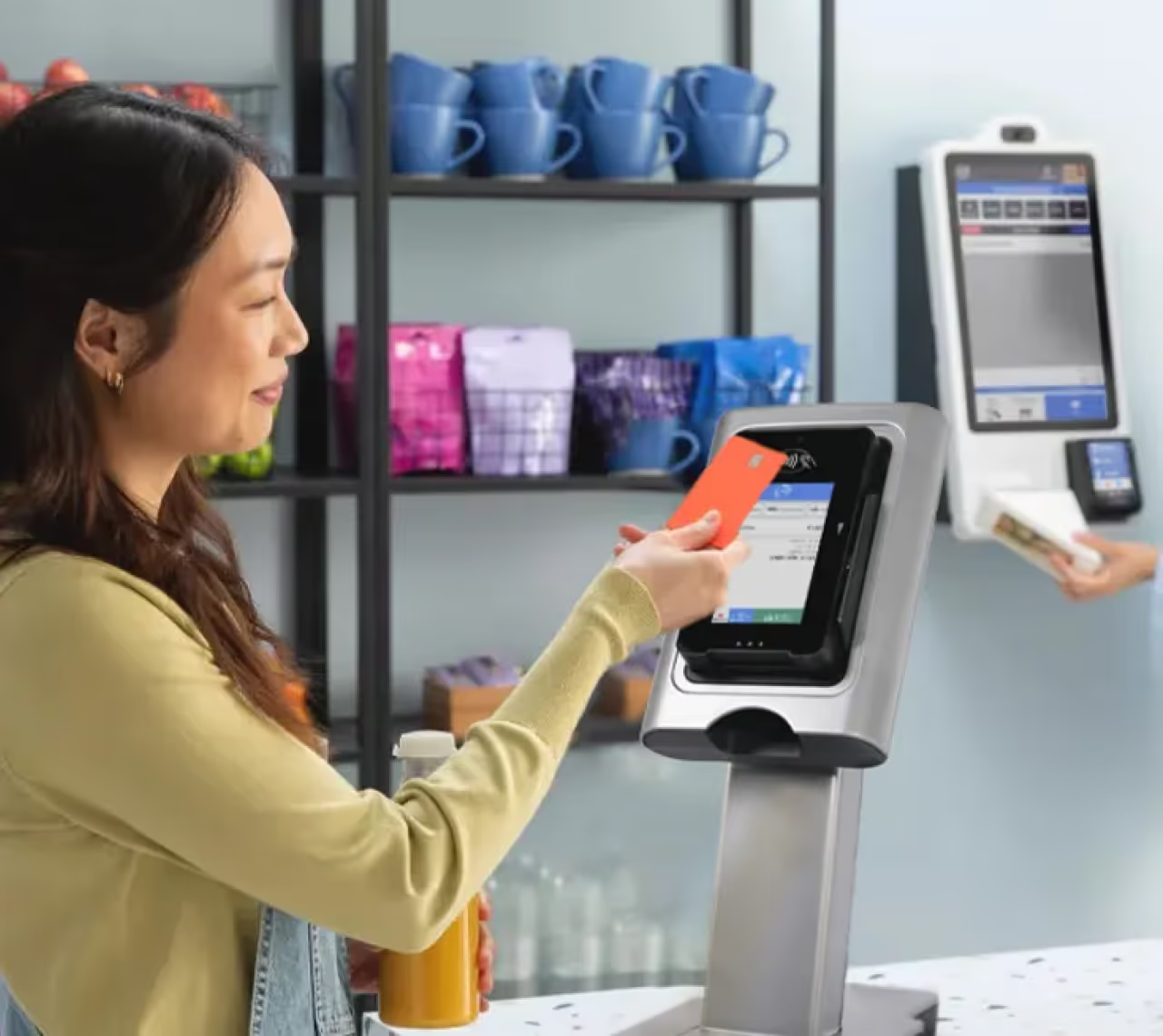
Expected Costs and Earnings: Realistic ROI for Vending Machines in 2025
[
[
](/) HomeAbout UsCase StudiesMachine MarketplaceVending LeadsVending CPA ExpertsMachine FinancingVending InsuranceContact Us HomeAbout UsCase StudiesNewsVending MarketplaceVending LeadsVending CPA ExpertsMachine FinancingVending InsuranceContact Us December 5, 2025

Investing in vending machines in 2025 can yield monthly earnings of $300 to $600, with strategic placement in high-traffic areas crucial for maximizing ROI. The industry is projected to reach $25 billion, but operators must adapt to evolving consumer preferences and leverage technology, such as smart vending solutions. Understanding initial costs, ongoing expenses, and product selection is vital for profitability in this competitive market.
Are you considering investing in vending machines but unsure about the potential return on investment? In this article, we’ll explore realistic costs and earnings for vending machines in 2025, revealing how the latest smart technology can transform your profit margins. With the vending machine industry projected to reach $25 billion by 2025, understanding these dynamics could be the key to maximizing your revenue.
Introduction: Understanding Vending Machine ROI in 2025
The vending machine industry is evolving rapidly, with significant implications for return on investment (ROI) in 2025. As consumer preferences shift towards loyalty programs and alternative retail channels, traditional vending machine operators are facing challenges. Revenue for these operators is projected to decline by 1.3% from the previous year, reaching approximately $7.7 billion in 2025. This shift underscores the importance of adapting strategies to maintain profitability and maximize ROI.
Understanding the economic landscape is crucial. The US convenience services industry, which encompasses vending, micro markets, and office coffee, boasts a total economic impact of $34.9 billion. This sector not only provides over 160,000 jobs but also contributes $10.4 billion in wages. Such figures highlight the potential for growth in niche markets and the importance of strategic investments in technology and service enhancements to meet evolving consumer demands.
Investors and operators must focus on innovative solutions and customer engagement strategies to ensure their vending machines remain competitive. By leveraging data-driven insights and modern technology, businesses can enhance user experiences, ultimately leading to higher sales and improved ROI in this dynamic market.
Modern Amenities: Zero-Cost Smart Vending with Revenue Sharing
The vending machine industry is undergoing significant transformation, particularly as we approach 2025. With the intelligent vending machine market projected to grow from $11.47 billion to $36.89 billion by 2032, driven by advancements in AI and IoT, operators are exploring new revenue models. This growth highlights the potential for innovative solutions to enhance customer engagement and operational efficiency.
As traditional vending revenues face challenges, alternative models, such as smart vending with zero upfront costs and revenue-sharing arrangements, are becoming increasingly appealing. These models allow businesses to implement modern vending solutions without financial risk, making it easier to adapt to changing consumer preferences.
Innovations in technology are not just enhancing the vending experience; they are also optimizing workflows, which is crucial for maintaining profitability in a competitive market. The focus on integrating smart technology is essential for operators looking to maximize their return on investment while meeting the demands of today's consumers.
With the right strategies, businesses can navigate the evolving landscape and capitalize on the opportunities presented by the growing intelligent vending sector.
The industry's future hinges on embracing these changes to enhance service offerings and drive profitability.
Fully Managed Service Model
Revenue-sharing models are transforming the vending landscape, allowing operators to secure prime locations without upfront costs. Typically, these agreements allocate 10% to 25% of revenue as lease fees or commissions. This approach not only reduces financial risk but also enhances profitability by leveraging strategic partnerships in high-traffic areas.
Technology-Driven Micro Markets
As micro markets gain traction, they are outpacing traditional vending machines in customer engagement. These innovative spaces can expect an 18% rise in visits, transforming how consumers interact with retail environments. By incorporating advanced technology, such as hybrid digital sensors, micro markets offer diverse product options and a more personalized shopping experience. This shift is crucial for maximizing ROI and adapting to evolving consumer preferences.
Micromart:
Projected to be in 200 U.S. locations by year-end, offering refrigerated, frozen, ambient and hot food products with hybrid digital sensors.
Ideal Client Profile and Locations
Manufacturing and distribution facilities, offices, apartment complexes, and hospitals represent the most lucrative vending machine locations, with potential earnings exceeding $300 per month in strategically placed machines. These environments enhance workplace efficiency and provide essential supplies around the clock, making them prime spots for vending operations.
Traditional Snack and Beverage Machines: The Industry Standard
Beverage vending machines dominated the market with a 44.78% revenue share in 2024, attributed to the growing consumer preference for on-the-go refreshment options. This segment has expanded beyond traditional soft drinks to include cold-pressed juices and premium coffee, reflecting evolving consumer tastes and health trends.
Profit margins for various products in vending machines vary significantly, impacting overall earnings. For instance, bottled water boasts an impressive 86% margin, translating to an $0.86 profit on a $1.00 sale. Other high-margin items include fruit snacks at 76%, granola bars at 72%, and gummy bears at 70%. Understanding these margins is crucial for operators aiming to maximize returns and adapt to market changes. As traditional vending faces competition from emerging retail channels, focusing on high-margin products will be essential for sustaining profitability in the coming years (Vending Machine Statistics - January 2025).
Smart Vending Machines with IoT Technology
Smart vending machines utilizing IoT technology are poised for significant growth, with the market expected to expand from $7.9 billion in 2025 to $13.1 billion by 2030, reflecting a compound annual growth rate of 10.32%.
The shift towards cashless payment systems is driving this evolution, as these methods accounted for 75.41% of vending machine revenue share in 2024. The increasing adoption of smartphones, mobile wallets, and tap-to-pay cards has made transactions faster and more convenient, enhancing consumer experiences. As these technologies become more integrated into daily life, operators can expect improved ROI through higher sales and reduced operational costs. Embracing these innovations will be crucial for maintaining competitiveness in the evolving market landscape.
Specialty and High-Margin Vending Options
The growing interest in specialty and high-margin vending options presents an opportunity for operators to enhance profitability. Automated machines, such as those offering gourmet foods or ready-to-eat meals, are gaining traction. For instance, the food vending machine segment is projected to grow at a CAGR of 7.9% between 2025 and 2034, driven by consumer demand for convenient meal solutions.
One notable example is PizzaForno, where automated pizza vending machines report net operating margins exceeding 30%. At a price point of $12 per pizza, each machine can sell around 20 pizzas daily, resulting in monthly revenues of approximately $7,200. This can translate to net profits ranging from $2,500 to $3,500 per month. Such figures illustrate the potential for high returns in this niche market, especially as consumer preferences shift towards unique and high-quality offerings.
Investing in technology that supports these specialty options could be a game-changer for vending operators. By focusing on high-margin products and employing advanced vending solutions, businesses can adapt to changing market demands while maximizing ROI. This strategic shift not only meets consumer needs but also positions operators for sustained growth in a competitive landscape.
Initial Investment Costs: What to Expect in 2025
Initial investment costs for vending machines in 2025 can vary significantly based on several factors. New vending machines typically range between $3,000 and $10,000, influenced by features, size, and technological advancements. Opting for pre-owned machines can substantially cut costs, with potential savings of up to 50%.
When considering a vending machine business, startup costs generally fall between $10,000 and $50,000 per machine. This figure encompasses various expenses, including equipment purchase or leasing, technology integration, initial inventory, location leasing fees, installation, permits, maintenance reserves, marketing, and insurance.
Understanding these costs is essential for prospective operators, as they lay the groundwork for financial planning and anticipated returns. The right investment can lead to profitable outcomes, particularly in an evolving market where technology and consumer preferences are rapidly changing. Balancing quality equipment with strategic financial management will be key to achieving success in this competitive landscape.
Technology and Feature Considerations
Entry-level smart vending machines are becoming more affordable, with prices starting around $1,000. However, mid-range and premium models featuring advanced technologies like facial recognition and AI-powered analytics can cost significantly more. Monthly technology upgrades and maintenance typically range from $100 to $300 per machine, ensuring optimal operation.
Hidden Startup Expenses
Startup costs for vending machines can often catch new operators off guard. Key expenses include:
- Permits and licenses: $100-$500 annually depending on location
- Equipment delivery and installation fees
- Branding and customization costs
- General liability insurance: $40-$100 per month
- Payment system upgrades: $100-$300 upfront for card readers with 2-5% ongoing transaction fees
- Initial stocking costs: $500-$1,500 per machine
Understanding these hidden expenses is crucial for effective financial planning and ensuring a successful vending operation.
Monthly Operating Expenses Breakdown
Understanding the monthly operating expenses for vending machines is essential for evaluating their profitability. These expenses can significantly impact the overall return on investment (ROI) in 2025. Key costs include utilities, restocking, maintenance, and transaction fees.
Utility expenses typically range from $20 to $100 per month. Factors influencing these costs include the type of machine and the energy efficiency of its components. For instance, Energy Star certified machines can help reduce energy costs, which may fall between $10 and $50 monthly, depending on usage patterns. Additionally, restocking costs vary based on the product selection and frequency of service, while data connectivity fees may apply for machines equipped with cashless payment systems.
It's crucial for operators to consider these expenses when planning their vending machine business. A comprehensive understanding of these costs not only aids in budget management but also enhances strategic decision-making, ultimately leading to better financial outcomes. By accurately assessing operating expenses, vending machine operators can optimize their offerings and improve customer satisfaction, which is vital in a competitive landscape.
Inventory and Restocking Costs
Inventory management is critical for vending machine operators, particularly considering that stocking expenses typically account for 30% to 50% of monthly operating costs. Additionally, the cost of goods sold for organic snacks and meals can represent over 50% of overall expenses. Efficient inventory practices can minimize waste and optimize profit margins, ensuring better financial outcomes.
Maintenance and Repair Budgets
Maintenance and repair expenses for vending machines can vary significantly. Regular monthly maintenance typically costs between $50 and $100, depending on the machine's complexity. For unexpected issues, repair costs can range from $50 for minor fixes to as much as $1,000 for major part replacements, impacting overall profitability. (DFY Vending - February 2025)
Location Fees and Commissions
Location fees for vending machines can significantly influence overall profitability. These fees typically range from $50 to $1,500 per month, depending on factors such as foot traffic and demand. In some cases, agreements may also include a percentage of sales as part of the lease terms. Additionally, location royalties often reach up to 20% of sales, with many operators paying around 7% commission to the host businesses. Understanding these costs is essential for accurately calculating ROI and making informed decisions about vending machine placements.
Utilities and Payment Processing
Understanding the costs associated with utilities and payment processing is crucial for vending machine operators. Monthly utility expenses typically range from $20 to $100, influenced by machine type and energy efficiency. Cashless payment systems add another layer of cost, with processing fees between 2-5% of sales and initial card reader upgrades costing $100-$300 for older machines. These factors directly impact profitability and ROI in the competitive vending landscape.
Realistic Monthly Revenue and Profit Margins
Understanding realistic revenue and profit margins for vending machines in 2025 is essential for operators looking to navigate the changing landscape. As consumer behavior evolves, so do the financial expectations tied to these machines. A strategically placed and well-stocked vending machine can generate between $300 to $600 in gross revenue monthly. After accounting for costs of goods sold (COGS) and operating expenses, net profits typically fall between $100 to $300 per machine each month.
These figures underscore the importance of selecting optimal locations and maintaining product variety to maximize earnings. With the convenience services industry experiencing shifts, operators must adapt their strategies to ensure profitability. The focus on high-traffic areas and effective inventory management can significantly influence overall revenue and, ultimately, the return on investment. As operators assess their vending machine portfolios, understanding these financial dynamics will be crucial for long-term success in a competitive market.
Revenue Expectations by Machine Type
Operators can expect varied revenue based on machine type. Traditional vending machines generate between $300 to $600 in monthly gross revenue, while micro markets often exceed this range due to higher product variety and customer engagement. Understanding these distinctions is vital for maximizing profitability in a competitive landscape.
Profit Margin Benchmarks
Profit margins for vending machines can vary significantly based on several factors, including location and product selection. In high-traffic areas, operators may see net profits reaching the upper range of $300 monthly per machine, especially when offering popular items. Conversely, machines placed in low-traffic spots may struggle, highlighting the importance of strategic placement and regular inventory updates to optimize earnings and meet changing consumer demands.
Location Impact on Earnings
Location plays a vital role in determining the earnings potential of vending machines. High-traffic areas, such as office lobbies, universities, and shopping centers, can significantly boost sales. For instance, a vending machine placed in a busy office can achieve monthly revenues upwards of $600, while a less frequented location may only generate $300. Strategic placement, combined with tailored product offerings, maximizes profitability in competitive environments.
ROI Timelines: When Will You Break Even?
The timeline for breaking even on vending machine investments can vary significantly based on factors such as location, product selection, and operational efficiency. Typically, operators can expect to reach their break-even point within 12 to 24 months.
In 2025, with the vending industry's projected revenue decline, careful planning becomes essential. Operators can enhance their ROI by leveraging technology, optimizing inventory, and focusing on high-demand products. These strategies not only improve sales but also help mitigate risks associated with market fluctuations. Understanding these dynamics is crucial for maintaining profitability in a competitive landscape.
Key Factors That Maximize Vending Machine Profitability
Maximizing vending machine profitability requires a comprehensive understanding of several key factors that influence revenue. As the industry adapts to changing consumer behaviors and technology advancements, operators must focus on strategic decisions that enhance financial outcomes. This includes evaluating location choices, optimizing product offerings, and ensuring operational efficiency.
In 2025, the projected revenue for vending operators highlights the need for innovative approaches to maintain a competitive edge. The right strategies can lead to improved returns, making it essential for operators to stay informed and adaptable in a rapidly evolving market.
Location Strategy
Choosing the right location for vending machines is crucial for maximizing ROI. High foot traffic areas, such as office buildings, universities, and hospitals, typically yield better sales. Additionally, analyzing demographic data can help identify target markets, ensuring that product offerings align with consumer preferences. Operators should also consider proximity to competitors; being strategically placed near similar services can either enhance visibility or lead to direct competition. Regularly assessing location performance allows for adjustments that can significantly impact earnings.
Product Selection and Pricing
Evaluating product selection and pricing is essential for maximizing profits in vending operations. Operators should analyze consumer trends and preferences to curate a compelling product mix that attracts diverse customers. For instance, incorporating healthy snacks and beverages can cater to health-conscious consumers, while popular local brands can enhance appeal. Additionally, dynamic pricing strategies, such as adjusting prices based on demand or time of day, can optimize revenue. By continually assessing product performance and adjusting offerings accordingly, vending operators can significantly improve their return on investment in the competitive landscape of 2025.
Operational Efficiency
Operational efficiency in vending machine operations hinges on leveraging technology to track inventory and sales patterns. By implementing smart vending solutions, operators can reduce stockouts and overstock while maximizing product turnover. This approach not only cuts costs but also enhances customer satisfaction, leading to increased sales and ultimately a stronger ROI in 2025.
Conclusion: Choosing the Right Vending Model for Your Goals
Choosing the right vending model is essential for maximizing ROI in an evolving market. As the industry faces a projected revenue decline of 1.3% in 2025, understanding your unique goals becomes crucial. For operators, investing in technology and service enhancements can bolster competitiveness.
Additionally, the convenience services sector's total economic impact of $34.9 billion illustrates the potential within niche markets. Focused strategies, like integrating loyalty programs or diversifying product offerings, can attract consumers and improve profitability. By aligning your vending model with these insights, you can navigate the challenges ahead and enhance your return on investment effectively (Source Name).
Frequently Asked Questions
What are the expected monthly earnings for a vending machine in 2025?
Monthly earnings for a well-placed vending machine can range from $300 to $600 in gross revenue, with net profits typically between $100 to $300 after accounting for costs.
How much do vending machine operators typically pay in location fees?
Location fees for vending machines can vary significantly, generally ranging from $50 to $1,500 per month, depending on foot traffic and demand in the area.
What are the advantages of using smart vending machines?
Smart vending machines enhance consumer experience through cashless payment options and personalized offerings, potentially improving ROI through higher sales and reduced operational costs.
How long does it usually take to break even on a vending machine investment?
Operators can typically expect to break even within 12 to 24 months, depending on factors like location, product selection, and operational efficiency.
What are common hidden costs associated with starting a vending machine business?
Hidden startup costs can include permits, equipment delivery, branding, insurance, and initial stocking, which can collectively add $1,000 to $5,000 to the overall investment.
[
](#) HomeAbout UsCase StudiesNewsVending MarketplaceVending LeadsVending CPA ExpertsMachine FinancingVending Insurance Contact Us Terms Privacy Policy