Vending Machine Side Hustle: An Honest Look at Month One, the Money and the Fit
A vending machine side hustle is a small business you run alongside your job: you buy a machine, place it at a business or building, keep it stocked and collect the sales.
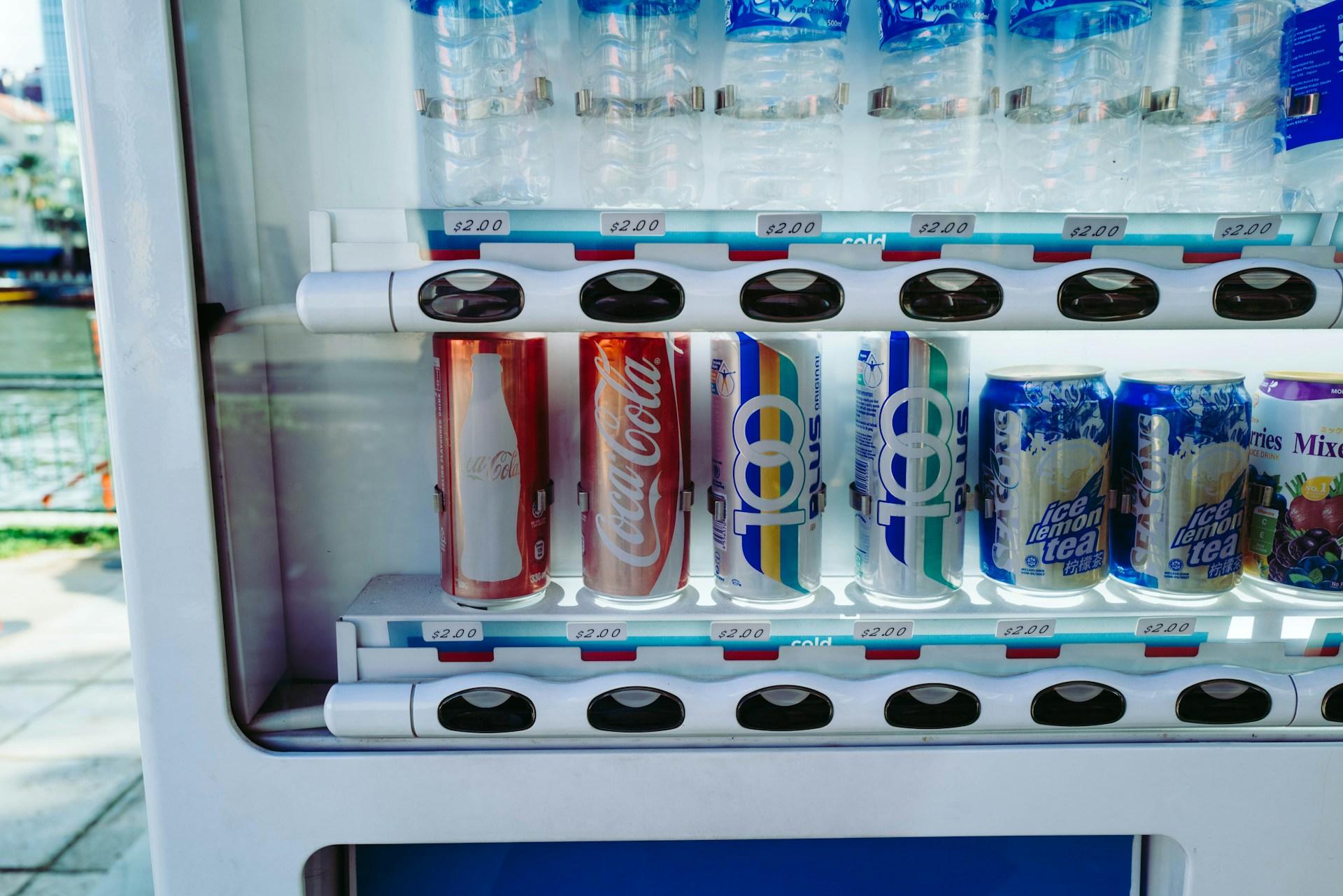
The first restock is the moment most new operators remember. You open the machine you placed three weeks ago, expecting empty coils, and find the chips gone, the granola bars untouched and a jammed row of sparkling water that nobody could buy. That is vending in miniature: some of it works straight away, some of it needs you, and the machine tells you which is which if you pay attention.
A vending machine side hustle is a small business you run alongside your job: you buy a machine, place it at a business or building, keep it stocked and collect the sales. Our operators spend 2 to 15 hours a week on their routes, and one machine typically nets $100 to $500 a month after expenses. It suits patient, organized people with some savings who want to buy back time over a few years. It does not suit anyone who needs fast cash.
What does a vending machine side hustle actually involve?
You own the equipment, a location hosts it, and you keep it stocked, working and fairly priced. The location gets a convenient snack and drink option for its staff or residents, sometimes with a small share of sales, and you keep the rest.
The work splits into three kinds of task:
- One-off setup: choosing a site, agreeing terms with the property, buying the machine, registering the business and getting the first stock in.
- Recurring service: restocking, cleaning the glass, clearing jams, checking prices and swapping slow sellers.
- Occasional fire-fighting: a card reader that drops offline, a refund request, a property manager who wants the machine moved six feet to the left.
Setup is where most of the effort goes, and it happens on your own clock, before work, after the kids are down, on a day of leave. You keep the job while you do it. The paycheck pays the bills and funds the first machine, so the route never has to rescue your household budget. Our guide on how to start a vending machine business walks through the setup steps in order.
What does the first month with one machine look like?
Expect the first month to be a learning month, not a profit month. Here is a realistic sequence for a single placement.
Week one: install and first fill. The machine arrives, gets plugged in and leveled, and you load it with a broad starter mix. Price everything, test every row with a card and with cash, and put your own phone number on the machine so staff can reach you rather than the property manager.
Week two: the first look. Go back after a few days even if the machine isn't empty. You are not restocking yet. You are reading the coils. What sold first? What didn't move at all? Write it down.
Week three: the first real restock. Refill what sold, cut one or two items that sat untouched and try something new in those rows. This is also when small problems show up: a coil that drops two bags at once, a price label that slid off.
Week four: settle the rhythm. By now you know roughly how fast the machine empties, which tells you how often you need to visit. A busy breakroom might need a weekly stop. A quieter building might go two weeks or more.
The operators who get frustrated in month one expected a finished business on day one. The ones who enjoy it treat the first month as a paid experiment.
How much does a vending machine side hustle pay?
A single machine typically nets $100 to $500 a month after product, commission and card fees, and where you land in that range depends far more on the location than on the machine. A busy, captive site with long shifts sits at the top. A quiet office with a coffee shop downstairs sits at the bottom. Our breakdown of how much money vending machines make shows how those numbers are built.
On the cost side, a used snack or drink machine typically runs $1,000 to $3,000 and a new one $3,000 to $6,500. Our vending machine cost guide covers the rest of the start-up budget, from the card reader to opening inventory.
Treat early profit as payback money rather than spending money. A machine typically pays back in 18 to 24 months, so the honest scoreboard for year one is not your bank balance. It is whether the route is getting easier to run and closer to paying for the next machine on its own.
Before you put money into a machine, get the order of operations right. Our free 90-Day Vending Roadmap lays out what to do each week, from shortlisting sites to your first restock, so the few evening hours you can spare go on the steps that move you toward a working machine and not on research loops.
What does it look like when a side hustle grows up?
Here is one member's path, with the caveat that results vary and most routes stay much smaller. Matt Morrison managed a sales team at a software company in Denver. When his second child arrived, he used his paternity leave to start building a vending route as a hedge against layoffs, and by his own count, he has had a W-2 job for about 85 percent of the time he has been building it.
Two details from his story are worth more than the headline. First, his third location, about four months in, was the point he says "this is real. I can't keep up myself," and he brought on his first stocker so he could spend his time finding locations rather than filling coils. Second, that third location became his best, bringing in $6,500 to $7,000 a month in revenue. About two years in, he was running around 40 machines, including micro markets, at about $43K a month in revenue. That is revenue, not profit, and it took two years of steady work around a full-time job.
The lesson for a beginner is not the number. It is the sequence: keep the job, learn on a few machines, hand off the routine work early and spend your own hours on locations.
Who does well with vending as a side hustle?
The people who do well tend to share a few traits, and none of them is "loves snacks".
- They are steady with money. They can buy a machine without touching rent money and wait for it to pay back.
- They like a routine. A restock run on the same morning each week appeals to them rather than bores them.
- They are comfortable asking. Placing a machine means walking into a business or calling a building manager and asking for space. You don't need to be a salesperson, but you do need to ask, and hear no a few times.
- They notice small things. Which item sold out first, which row jams, which price feels high for the building.
- They have a vehicle and a bit of storage. A car trunk full of cases and a corner of a garage or spare room is enough to start.
Who should skip it, at least for now?
Vending is a poor fit in a few situations, and it is better to know that before you buy a machine.
You need income this month. A machine takes weeks to place and months to pay back. If bills are tight, hourly work will help you faster.
You can't carry a slow month. Sales dip when a building is half empty over the holidays or a factory changes shifts. If one quiet month would put you under pressure, wait until you have a cushion.
You hate being on call. Machines are reliable but not perfect. If a text saying "it ate my dollar" during dinner would ruin your evening, set up a simple refund process from day one or reconsider.
You want passive income from day one. Vending can become low-touch, but only after you build the systems and bring in help. The first machine is hands-on. Anyone selling you zero effort from the start is selling you something else.
What does it cost you besides money?
The real cost of a side hustle is time, and the question to ask is which time. A route that eats bedtimes and school pickups for years has missed the point, however much it earns.
Vending asks for attention in short, flexible bursts rather than fixed shifts, which is why it can fit around family life. At one or two machines, most of your time goes on driving and restocking, so keep machines close to home or your commute and that time stays small. Restock before work or after the kids are asleep, when the property is quiet anyway.
The surprise for many new operators is the admin: tracking what you bought, logging sales, keeping receipts for tax time. Set up a simple spreadsheet and a separate bank account in week one and it takes minutes a week. Leave it until the end of the year and it takes several long evenings. Our beginner's guide to vending business taxes covers what to track.
There is also a social side, and it is mostly a good one. You will meet property managers, gym owners and office managers who become useful contacts. Your second location very often comes from a conversation at your first.
Your move this week: pick one site and test the idea
Don't start by shopping for a machine. Start by finding one location you could realistically win.
Drive your usual routes and list five places where people spend long stretches with nothing to eat nearby: a warehouse, an apartment block with a gym, a car repair shop with a waiting room, a small manufacturing plant. Then call or visit two of them and ask who handles break areas. You'll learn more from those two conversations than from a month of reading.
If one says yes, you have a reason to buy a machine. If both say no, you have learned how to ask better next time, and it cost you nothing.
If you want a second opinion before you commit, talk it through with us. On a free call with a Vendingpreneurs coach, we'll look at your budget, the hours you can honestly give it alongside your job and family, and the sites near you, and help you decide whether a first machine makes sense now or in six months.
Frequently Asked Questions
Can I run a vending side hustle without a truck or van?
Yes. Most single-machine operators restock from an ordinary car. You only need heavier transport for the machine itself on install day, and many sellers deliver and place the machine for you. A folding hand truck makes restocks much easier on your back.
Where do I keep inventory if I live in an apartment?
A few shelves in a closet are enough for one or two machines. Keep stock off the floor, away from heat and in sealed bins, and buy in amounts you will sell within a few weeks so nothing goes stale.
Is a vending side hustle seasonal?
It depends on the location more than the season. Schools and colleges slow down over breaks and offices go quiet around the holidays, while gyms often get busier in January. Choosing sites with different calendars smooths out the dips.
Do I need a business license for one machine?
Usually you need some form of business registration and a sales tax account, even for a single machine, and some cities or counties add their own permits. Check with your state and local offices before your first sale so you are set up properly from day one.