How to Start a Vending Machine Business in Arizona (and Keep Your Machines Alive Through July)
The paperwork is lighter than most people expect. The heat is the part that catches new operators out.
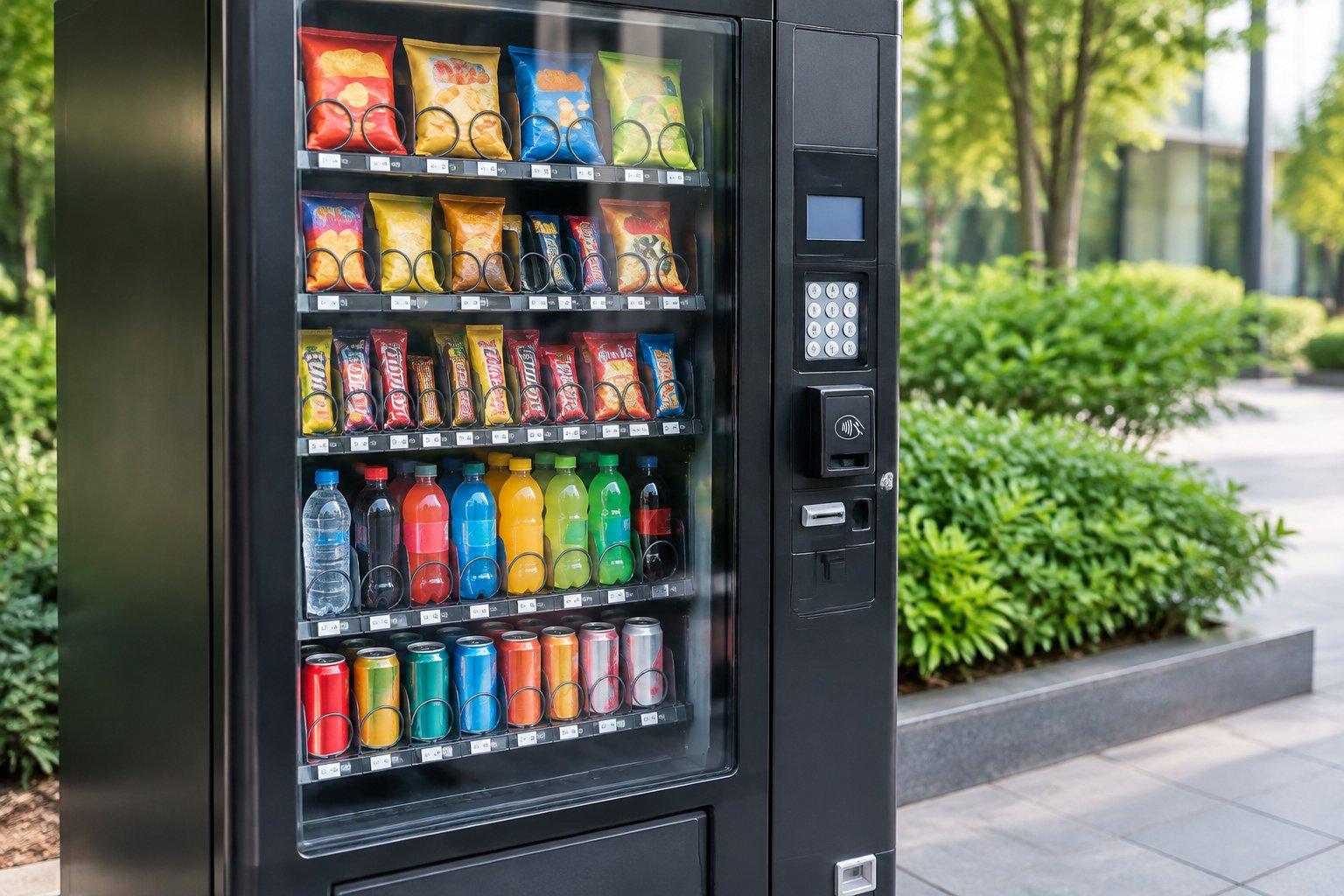
Picture a glass-front snack machine on a covered patio in Mesa, mid-July. The compressor never stops, the chocolate bars have slumped into shapes nobody wants to buy, and the property manager is asking why the drinks taste warm. That machine was in a great location. It was just in the wrong spot.
Starting a vending machine business in Arizona comes down to four things: form your business with the Arizona Corporation Commission, get a Transaction Privilege Tax (TPT) license from the Arizona Department of Revenue, check with your county environmental health office if you plan to sell perishable food, and place your machines indoors or in genuinely climate-controlled space. The paperwork is lighter than most people expect. The heat is the part that catches new operators out.
Most people who start an Arizona route with us still have a job, and that is how we think it should be done: the paycheck funds the first machines, and the route grows on the side until it can carry more of the load. The heat actually suits that schedule. Arizona restocks belong in the early morning anyway, before the vehicle turns into an oven, which means before work rather than in place of the evenings you would rather spend at home. Pick sites that let you work that way and the business fits around your life instead of eating it.
What do you need to register before your first Arizona machine goes in?
You deal with three agencies, and only one of them cares whether you sell candy or sandwiches.
Everything else (an EIN, a business bank account, insurance) is the same as in any state. Our vending licenses, permits and tax guide covers those national basics, so we will stick to what is different here.
Is TPT the same as sales tax?
Not quite, and the difference matters when you set prices. The Arizona Department of Revenue describes TPT as a tax on the vendor for the privilege of doing business in the state, rather than a tax on the shopper. In practice you still collect it through your prices, but the legal obligation sits with you, the operator.
Two things trip people up:
- The license is the state's, but the tax is local too. The Department of Revenue collects TPT for counties and most cities, and the combined amount changes depending on where each machine sits. A route that crosses Phoenix, Tempe and Gilbert crosses several local jurisdictions. Keep a simple sheet of each machine's address so your returns are right.
- Renewal is annual. TPT licenses renew each year through AZTaxes.gov, and the department sends late-renewal letters to people who forget. Put the date in your calendar the day you get the license.
If you are still deciding how to hold the business, our LLC guide for vending operators explains why most operators form one before signing a location agreement. You file Arizona's version with the Arizona Corporation Commission.
Which Arizona vending machines need a county health permit?
Most snack and drink machines do not. Maricopa County's environmental health code requires a permit (and plan review before installation) for machines that sell potentially hazardous food, meaning food that needs time and temperature control for safety: sandwiches, salads, fresh meals, dairy-heavy items. The same code exempts machines that dispense only non-potentially hazardous food and dry-type beverage machines selling sealed bottles or cans.
If you do go the fresh-food route, Maricopa's rules add real work. You need an approved commissary for storing food, and you must hold cold food at or below 41°F (or hot food at or above 135°F) while it is in your vehicle. In a Phoenix summer that means a refrigerated vehicle or serious coolers, not a hatchback and good intentions. Pima County, Pinal County and the rest run their own environmental health programs, so call the county where each machine will sit before you buy a fresh-food unit.
For a first route, our advice is simple: start with packaged snacks and canned or bottled drinks, prove the location, and add fresh food later if the site asks for it.
How does desert heat change where you put a machine?
Heat is the single biggest operating difference between Arizona and almost anywhere else, and it decides placement more than foot traffic does. The rule we give new operators: if the spot is not air-conditioned, treat it as outdoors.
Here is what that means on the ground:
- Indoor break rooms beat covered patios every time. A refrigerated machine in a hot space runs its compressor constantly, which shortens its life and raises the location's power bill. Shade helps people, not condensers.
- Watch the back of the machine. Refrigeration units need clearance to vent heat. A drink machine pushed flat against a wall in a stuffy warehouse corner will struggle. Ask for a spot with a few inches of air behind it and no direct afternoon sun through a window.
- Warehouse floors are a trap. Many Valley distribution centers cool the offices and break rooms but not the dock. Place the machine where the workers take breaks, not where they work.
- Rethink chocolate from roughly May to September. In a glass-front machine that sits in a warm room, chocolate softens. Swap in chips, crackers, nuts, jerky and hard candy for summer, and bring chocolate back when the nights cool down.
- Lean into cold drinks. In summer, water, sports drinks and electrolyte drinks sell fastest at physical workplaces. A combo machine with a strong drink column often makes sense for a first placement.
- Restock earlier in the day. Loading product from a vehicle that has been parked in the sun cooks your stock. Morning restocks, a cooler in the vehicle and a short route keep product in sellable shape.
Heat, TPT and a day job is a lot to juggle in your head. Our free 90-Day Roadmap puts it on paper in the right order: the license, the first site, a summer-proof product mix and a restock rhythm that fits before work, so the route takes a few early mornings instead of your evenings.
Phoenix, Tucson or Flagstaff: where should your first route start?
For most people, the Phoenix metro. It has the density that keeps drive time down, and a route that stays in one part of the Valley is far easier to service than machines scattered from Buckeye to Queen Creek. Pick a side of town and stay there until you have several machines.
Phoenix metro (Phoenix, Mesa, Chandler, Tempe, Gilbert, Glendale, Goodyear). The West Valley and the Interstate 10 corridor are full of distribution and fulfillment centers running multiple shifts. Chandler and the Southeast Valley have semiconductor and electronics manufacturing with large shift workforces. Tempe has a major university campus, plus office parks and call centers. Apartment communities are everywhere, and newer complexes often want amenities they can advertise.
Tucson. Smaller and more spread out, built around a large university, hospitals, aerospace and defense employers, and government offices. Campus and hospital placements usually go through formal approval processes, so expect a longer sales cycle. Our location guide helps you weigh those against faster yeses from smaller workplaces.
Flagstaff. Cooler, with a university, tourism and hotels. Sales swing with the school calendar and the travel seasons, and winter weather can make restocking slower.
The snowbird factor. Arizona's population shifts with the seasons. From roughly October to April, retirement communities, RV parks and resort areas around Phoenix, Tucson and Yuma fill up, then empty out in summer. A machine in an RV park clubhouse can be a strong winter earner and a slow summer one. That is fine if you plan for it; just do not judge the site by its July numbers, and do not make it your only machine.
What about costs, insurance and pitching?
The rest of the setup is the same as in any state, so here it is in brief.
A new snack or drink machine typically costs $3,000 to $6,500 and a used one $1,000 to $3,000; our vending machine cost guide breaks down the full cost to own. Budget $500 to $1,500 on top of the machine for a card reader, opening inventory and registrations. Insurance for a small operator often runs $300 to $700 a year, and many property managers will ask for a certificate before you install.
Commission is usually 0 to 15% of sales for apartment, industrial, gym and office placements. Our negotiation guide has the scripts. In Arizona, one extra line in your pitch earns its keep: tell the manager exactly where you want the machine and why that spot keeps it cool and running.
Your first Arizona placement: a decision rule
If you only place one machine this year, use this filter and do not compromise on the first point:
- Air-conditioned, indoor spot. No exceptions for the first machine.
- A workforce that stays on site through breaks, ideally on more than one shift, like a Valley warehouse or manufacturing plant.
- Within a short drive of where you live or work, so summer restocks happen early, before your workday, and do not cut into the hours after it.
- Packaged snacks and sealed drinks only, so you need no county food permit.
- A written agreement with commission, notice period and who pays for power.
A site that passes all five is a better first machine than a flashier location that fails one.
Have a few Arizona sites in mind but no idea which one passes? Bring them to a free strategy call with our team. A Vendingpreneurs coach will check each spot against the heat and the five points above, and help you sketch a first route that runs on 2 to 15 hours a week alongside your job, so the time you buy back is planned from day one.
Arizona vending FAQs
Can I put a vending machine outdoors in Phoenix?
You can, but expect higher repair bills, more spoiled stock and a shorter machine life. Outdoor placements need equipment built for exterior use, solid shade, and a product mix that tolerates heat. For a first machine, stay indoors and add outdoor sites once you know your margins.
Does Arizona have a statewide vending machine license?
No single statewide vending license exists. You need your business registration, a TPT license and, for perishable food machines, a county permit. Some cities also issue their own regulatory licenses for specific kinds of kiosks, so check with the city where each machine will sit.
How quickly can I get my first Arizona machine placed?
The registrations are rarely the bottleneck; finding the right site is. Our program aims to get members to a first machine in under 90 days, and the people who get there fastest start pitching locations while their TPT application is still processing, rather than waiting for every form to come back first. None of that requires leaving your job; pitching fits into lunch breaks and the odd early finish.
Is summer a slow season for Arizona vending?
It depends on the site. Workplaces and warehouses often sell more in summer, especially drinks, while snowbird-driven sites such as RV parks and resort areas slow sharply. A route that mixes year-round workplaces with a few seasonal spots smooths out the swings.