Skip to contentBook your call
Vendingpreneurs

Step 07

Scale your vending route

Scaling is not adding machines. It is removing yourself from the parts of the route that do not need you, so that adding machines does not add hours. The operators who get this wrong end up with a bigger job. The ones who get it right end up with a business.

Every machine you add multiplies whatever your route already is. Fix the system on three machines, because it will not get easier to fix on thirty.

Step 1: Hand off the restocking
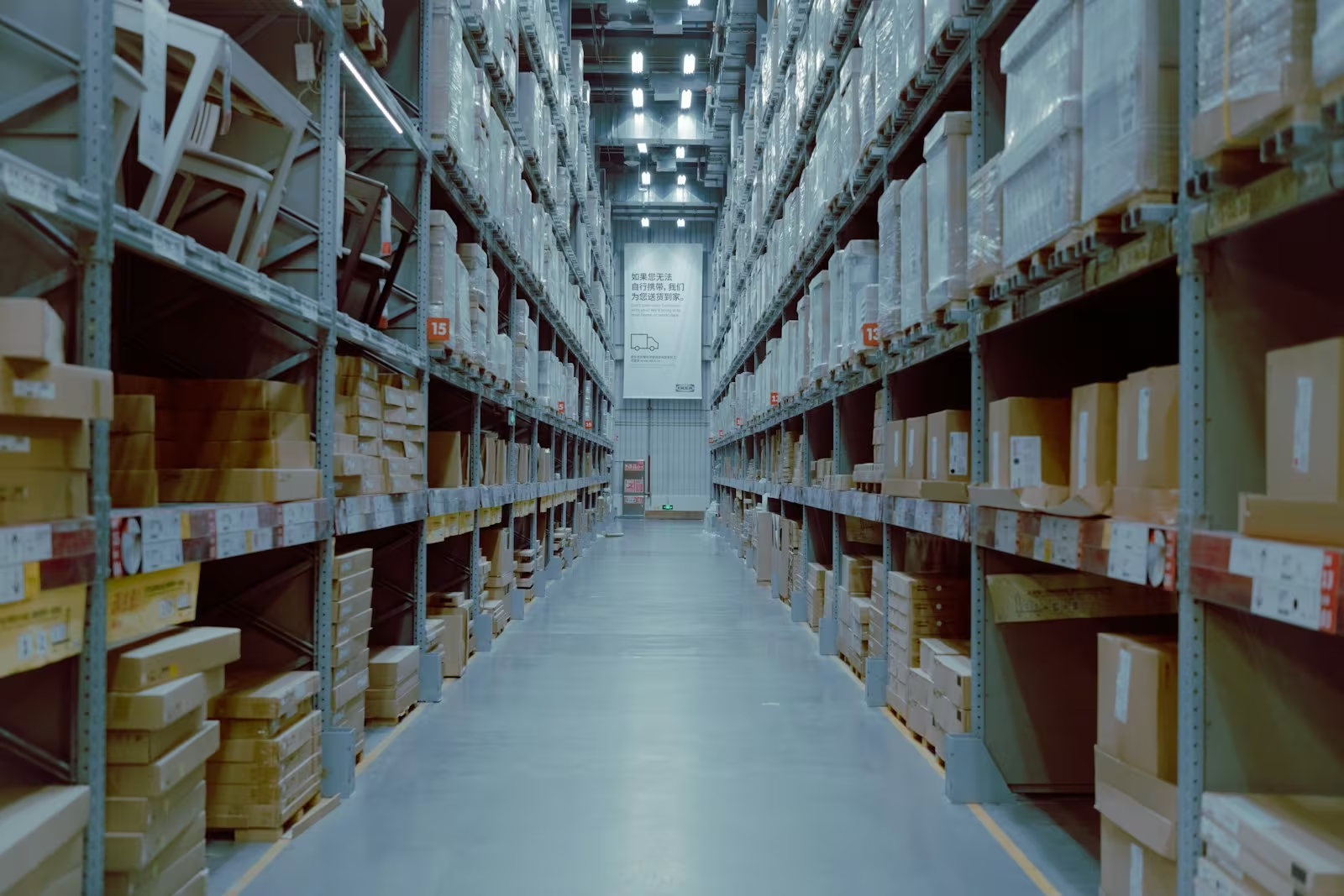
A warehouse aisle of racked inventory ready for a route

Delegate first

Add help before you add machines.

Most operators hit their ceiling somewhere around the third or fourth location, when servicing the route stops fitting around the rest of their life. The instinct is to slow down placing. The better move is to hand off the restocking, because restocking is the part of this business that scales worst with your own time and best with someone else's. That is the point the job turns into an operation.

  • Hand off restocking first — it's the highest-hours, lowest-judgement task
  • Document the route before you delegate it, not after
  • Keep the decisions: pricing, product, locations, contracts
  • Members run placed routes on roughly 2 to 15 hours a week

Step 2: Place the proven format again

Know the target

What a full-time income actually requires.

A route of 15 to 25 or more well-placed machines is usually what generates a meaningful full-time income — somewhere around $1,200 to $3,000 or more per month in net profit. A six-figure net points to a route in the low-to-mid dozens of well-placed machines. Those are net figures, after product, commission, and fees, and the word doing the work in both of them is well-placed.

  • 15 to 25+ machines is the usual threshold for meaningful full-time income
  • That looks like roughly $1,200 to $3,000+ per month in net profit
  • A six-figure net points to low-to-mid dozens of well-placed machines
  • Machine count without placement quality just multiplies a weak result
Well-placed machines for a full-time income
15–25+Well-placed machines for a full-time income
Net profit per month at that count
$1,200–$3,000+Net profit per month at that count
A week to run a placed route
2–15 hrsA week to run a placed route

Step 3: Build it to run without you

Two ways to grow

Place the next machine, or buy somebody else's route.

Organic growth through pop-ins is the path most operators start on and it stays available forever. The other path is acquisition: buying an existing route or book of accounts from an operator who is exiting. It moves faster and costs capital up front, and it comes with somebody else's placement decisions — which you now know how to evaluate, because you have run steps one through six on your own machines.

  • Organic: repeat the pitch that worked, in the building type that worked
  • Acquisition: buy an existing route and inherit its accounts immediately
  • Evaluate an acquisition on the same per-machine margin you use on your own
  • Either path needs the service capacity in place before, not after

Build the route you meant to build.

Bring where your route is now and we'll go through what the next hire, the next placement, or the next acquisition should be.