
December 5, 2025
What to Check Before Installing a Vending Machine — Maintenance, Safety & ROI Checklist
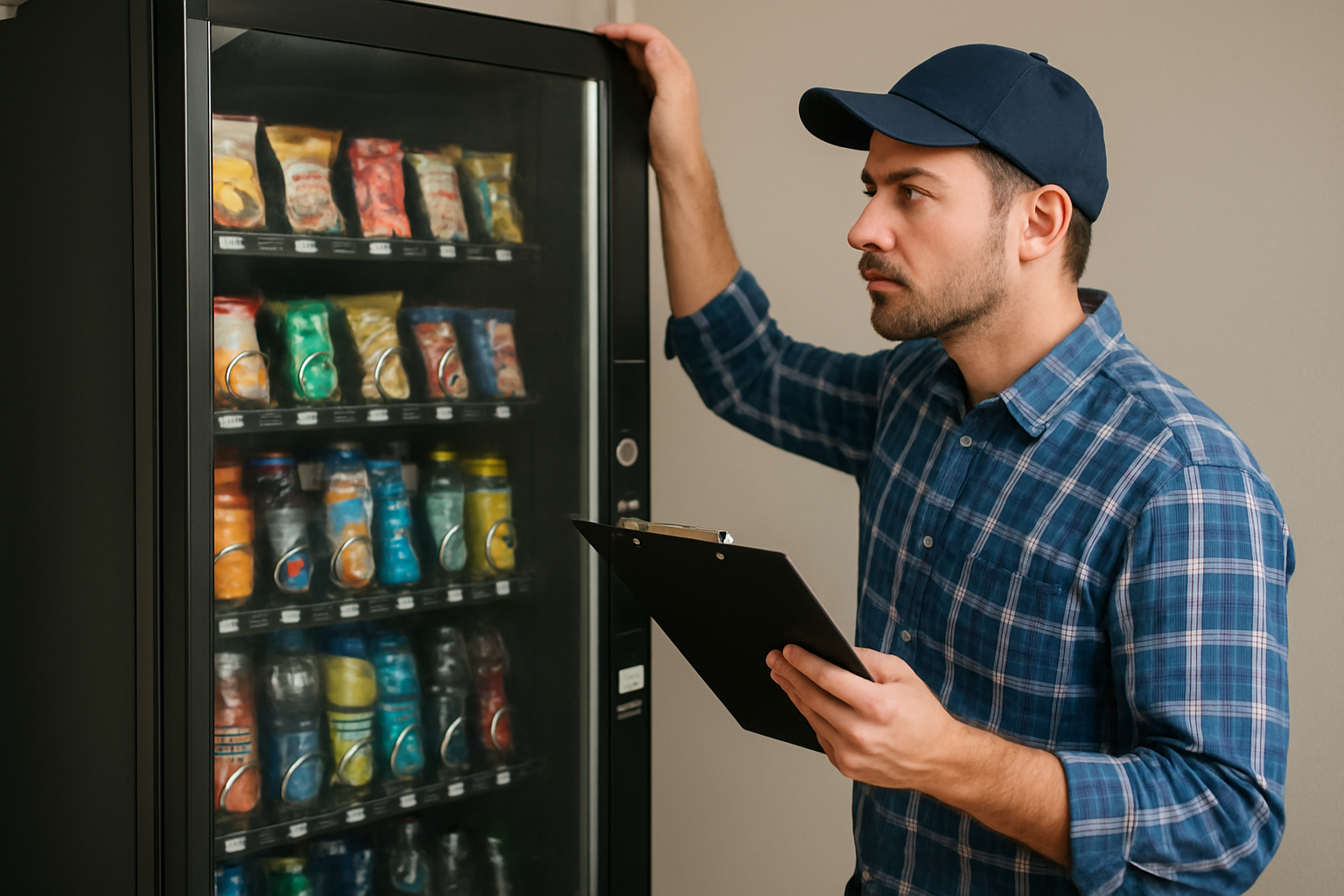
Before installing a vending machine, conduct thorough pre-installation checks focusing on location, maintenance, safety, and ROI. Nearly 90% of machines fail to profit in the first year due to poor planning. Key factors include ensuring compliance with safety regulations, assessing electrical needs, and integrating cashless payment systems. Proactive maintenance can increase revenue by up to 30%, making careful preparation essential for long-term success in the vending industry.
Are you considering installing a vending machine but unsure where to start? This article will guide you through essential pre-installation checks that ensure your investment is safe, compliant, and profitable. With nearly 90% of vending machines failing to turn a profit within the first year due to inadequate planning, understanding maintenance, safety, and ROI is crucial for your success. Discover the key factors that can transform your vending machine venture into a thriving business opportunity.
Introduction: Why Pre-Installation Planning Determines Vending Machine Success
Effective pre-installation planning is crucial for the success of vending machines. Proper assessment ensures that the selected location aligns with foot traffic and target demographics, which directly influences sales. Research shows that strategic placement can increase sales by 30% or more compared to poorly chosen locations.
Additionally, addressing maintenance and safety concerns during the planning phase can prevent costly downtime and enhance user experience. Regular maintenance checks and adherence to safety regulations are essential to keep machines operational and compliant. This proactive approach not only boosts customer satisfaction but also contributes to a higher return on investment (ROI). When businesses take the time to thoroughly plan and prepare, they position themselves for long-term success and profitability in the vending industry.
Location & Site Requirements Checklist
Selecting the right location for a vending machine is essential for maximizing profitability and ensuring seamless operation. A thorough evaluation of site requirements can significantly influence sales performance and user experience. Key factors include accessibility for customers and compliance with necessary safety regulations.
Understanding these requirements not only helps in choosing a strategic location but also prevents potential issues that could lead to downtime. Research indicates that effective planning can enhance sales by up to 30% when machines are placed in optimal environments (VendingMarketWatch). Thus, conducting a comprehensive site assessment is vital for ensuring that the installation aligns with both operational needs and customer expectations.
Electrical Power & Outlet Requirements
Before installing a vending machine, it's essential to assess electrical power and outlet requirements. Ensure the location has adequate power supply to support the machine's operational needs, typically requiring a standard outlet with a minimum of 120 volts. Inspect the circuit to confirm it can handle the machine's amperage without overloading. Additionally, consider the proximity of the outlet to the machine to avoid long extension cords, which can pose safety risks. Proper electrical setup not only ensures functionality but also compliance with safety regulations, minimizing potential downtime.
Space Dimensions & Accessibility Considerations
Considering space dimensions and accessibility is essential when installing a vending machine. Ensure the location meets minimum size requirements for the machine and allows for safe access. It should provide ample space for customers to approach without obstruction, which enhances user experience. Additionally, compliance with the Americans with Disabilities Act (ADA) is crucial. This includes proper height for controls and enough clearance for wheelchair access. Addressing these factors not only improves customer satisfaction but also minimizes potential legal issues, ensuring a smooth operational flow.
Safety & Compliance Requirements
Ensuring safety and compliance is essential before installing a vending machine. This process not only protects customers but also safeguards the business from potential legal issues. Compliance with local regulations is paramount, as violations can lead to fines and operational interruptions.
Furthermore, a thorough understanding of safety standards enhances customer trust and satisfaction, boosting the likelihood of repeat business. Research indicates that businesses prioritizing safety see a 25% increase in customer loyalty, which is crucial for long-term success.
In addition, proactive measures such as regular safety checks and audits can minimize risks associated with machine malfunctions or accidents. This diligence not only ensures operational efficiency but also contributes to a positive brand reputation. By addressing safety and compliance requirements upfront, businesses can create a solid foundation for successful vending operations, ultimately leading to improved profitability and customer engagement.
Health Department Permits & Food Safety Standards
Before installing a vending machine, it's essential to research local health department permits and food safety standards. Different jurisdictions have specific regulations regarding food handling, storage, and machine sanitation. Ensuring compliance not only avoids legal complications but also enhances customer confidence in the products offered. Regular inspections and adherence to these standards can lead to a safer, more reliable vending operation.
Vandalism Prevention & Security Measures
Vandalism prevention and security measures are essential for protecting vending machines and ensuring their longevity. Installing surveillance cameras and motion detectors can deter potential vandalism while providing evidence if incidents occur. Additionally, using sturdy, tamper-resistant materials for machines enhances security and reduces maintenance costs, ultimately safeguarding your investment.
Maintenance Requirements & Ongoing Costs
Understanding the maintenance requirements and ongoing costs of vending machines is essential for maximizing their performance and profitability. Regular upkeep not only extends the lifespan of the machines but also enhances user satisfaction. A well-maintained vending machine can lead to increased sales, as customers are more likely to use machines that are clean, stocked, and operational.
Incorporating a structured maintenance schedule is crucial. Daily and weekly checks ensure that machines remain functional and appealing, while monthly technical inspections prevent more serious issues from arising. These proactive measures can significantly reduce downtime, which is vital since machines that are out of service can lead to lost revenue. Additionally, the costs associated with maintenance should be factored into the overall budget, as they can impact the return on investment. Businesses that prioritize maintenance can expect a more reliable operation and a better overall experience for their customers. Studies indicate that well-maintained machines can yield up to 30% more revenue compared to those that are neglected.
Daily & Weekly Maintenance Tasks
Daily maintenance tasks for vending machines include inspecting the inventory levels, checking for expired products, and ensuring that the machines are clean and visually appealing. Regularly restocking items not only enhances customer satisfaction but also maximizes sales opportunities. Weekly checks should focus on more thorough evaluations, such as testing the machine's functionality, inspecting payment systems, and ensuring that all components are in working order. This structured approach not only helps in maintaining operational efficiency but also significantly reduces the likelihood of unexpected breakdowns, ultimately safeguarding revenue streams.
Monthly Technical Inspections
Monthly technical inspections are vital for ensuring vending machines operate efficiently and safely. These inspections typically involve checking the hardware, software, and overall functionality of the machines. During these evaluations, technicians should assess components such as payment systems, refrigeration units, and product inventory. Identifying potential issues early can prevent costly repairs and downtime. Additionally, these inspections help maintain compliance with safety regulations, ensuring a positive customer experience and maximizing profitability. Regular, thorough inspections contribute to the longevity and reliability of vending operations.
ROI Calculation Framework: What to Evaluate Before Installation
Understanding the return on investment (ROI) for vending machines requires careful evaluation before installation. This process involves assessing not only the potential profitability but also the associated costs and risks. A thorough analysis of location, foot traffic, and target demographics is essential, as these factors can significantly influence sales performance. For example, strategically positioned machines can enhance sales by over 30% compared to less favorable placements.
Moreover, evaluating maintenance and safety considerations is crucial. Addressing these elements during the planning phase can mitigate unexpected costs and ensure compliance with regulations. Regular maintenance checks and adherence to safety standards not only keep machines operational but also enhance customer satisfaction. This proactive approach ultimately contributes to a more favorable ROI.
Investing time in pre-installation analysis helps businesses avoid common pitfalls, such as underestimating costs or failing to secure high-traffic locations. By prioritizing these evaluations, companies can lay the groundwork for sustainable success in the vending industry. Therefore, understanding the complete financial picture before installation is essential for maximizing returns on vending machine investments (VendingMarketWatch).
Initial Investment Costs Breakdown
Initial investment costs for vending machines encompass several key components. These include the price of the machines themselves, installation fees, product inventory, and necessary permits or licenses. Understanding these costs helps businesses create a realistic budget, ensuring they allocate funds effectively for both the machines and their ongoing operation.
Technology & Payment System Considerations
When planning to install vending machines, understanding technology and payment system considerations is essential for maximizing efficiency and customer satisfaction. The right technology can streamline operations, enhance user experience, and ultimately drive sales. Factors such as payment options and system integration can significantly impact the overall effectiveness of the vending solution.
In today’s market, offering cashless payment options is increasingly vital. Consumers prefer the convenience of mobile payments and contactless transactions, which can improve the purchasing experience and encourage more frequent use. Additionally, integrating advanced monitoring systems allows operators to track inventory levels and machine performance in real-time. This data-driven approach helps in making informed decisions about restocking and maintenance, leading to better resource management and reduced downtime.
Ultimately, choosing the right technology and payment systems not only meets consumer demands but can also lead to increased profitability and a more sustainable vending operation.
Cashless Payment Integration
Integrating cashless payment systems into vending machines not only meets consumer preferences but can also enhance operational efficiency. Mobile payments and contactless options streamline transactions, reducing wait times and increasing user satisfaction. Moreover, these systems often come with analytics capabilities, allowing operators to monitor sales trends and customer behaviors. This data can inform restocking strategies and promotional efforts, ultimately driving higher sales and optimizing inventory management. Embracing cashless payments is essential for staying competitive in today’s vending landscape.
Remote Monitoring & Inventory Management
Effective remote monitoring and inventory management are essential for optimizing vending machine operations. By utilizing advanced monitoring systems, operators can track inventory levels in real-time, allowing for timely restocking and minimizing outages. This proactive approach not only enhances customer satisfaction but also reduces unnecessary operational costs. Additionally, data analytics can identify sales trends, enabling better decision-making for product selection and placement, ultimately driving profitability.
Frequently Asked Questions
What are the key factors to consider when choosing a location for a vending machine?
Key factors include foot traffic, accessibility, compliance with safety regulations, and proximity to power outlets. Evaluating these elements ensures optimal sales performance and enhances user experience.
How often should vending machines be maintained?
Daily and weekly maintenance checks are essential, focusing on inventory levels, cleanliness, and functionality. Monthly technical inspections should also be conducted to ensure overall operational efficiency and compliance with safety standards.
What permits are typically required for installing a vending machine?
Permits vary by jurisdiction but often include health department permits and business licenses. Compliance with local food safety standards is crucial to avoid legal complications and maintain customer trust.
How can I prevent vandalism and ensure the security of my vending machine?
Installing surveillance cameras and using tamper-resistant materials can deter vandalism. These measures not only protect your investment but also enhance operational longevity.
What are the benefits of integrating cashless payment systems in vending machines?
Cashless payment systems streamline transactions, reduce wait times, and enhance user satisfaction. They also provide analytics for monitoring sales trends, enabling better inventory management and promotional strategies.