
December 5, 2025
What to Expect from a Vending Machine Business Course or Mentorship Program — Is It Worth the Investment?
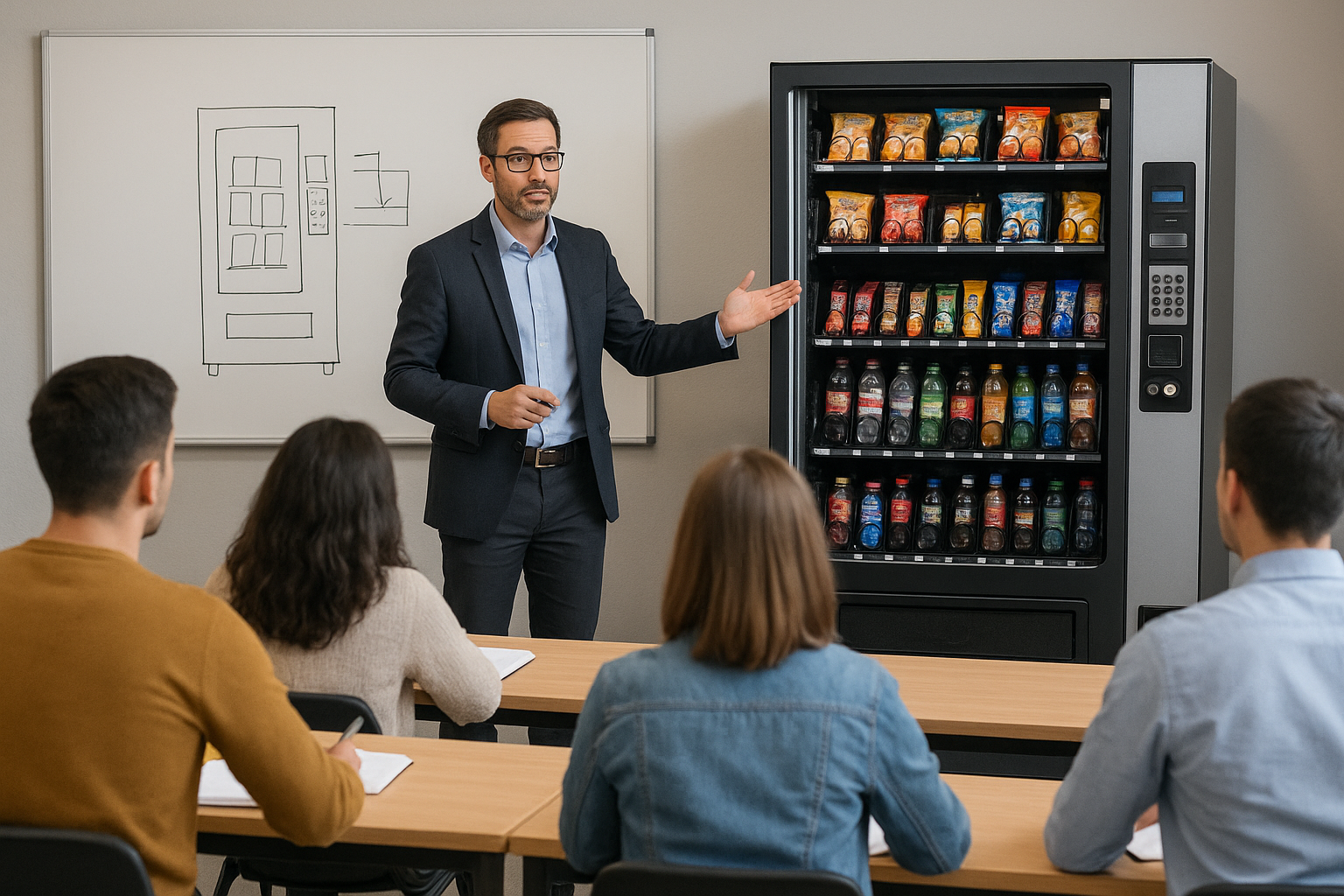
Investing in a vending machine business course or mentorship can significantly enhance your success, with the market projected to reach $25 billion by 2026. These programs offer essential insights into operations, location strategies, and technology. Participants can avoid costly mistakes and optimize profitability. With a success rate of 80% to 90%, education is a strategic investment for long-term growth in this expanding industry.
Are you considering investing in a vending machine business but unsure if a course or mentorship program is worth the expense? This article will clarify what to expect from these educational offerings, helping you make an informed decision about your investment. With the vending industry projected to reach $25 billion by 2026, the right training can be pivotal in avoiding costly mistakes and maximizing your profits.
Introduction: Understanding the Vending Machine Business Education Landscape
The vending machine industry is experiencing rapid growth, making education in this field increasingly valuable. With the global vending machine market projected to grow from USD 19.85 billion in 2024 to USD 34.88 billion by 2032 at a CAGR of 7.3%, understanding the business landscape is crucial for potential entrepreneurs (Data Bridge Market Research).
Courses and mentorship programs can provide aspiring operators with essential insights into operational strategies, market trends, and technology integration. These educational resources often cover topics like supply chain management, consumer behavior, and the latest vending technologies, ensuring that participants are well-equipped to navigate this evolving market.
Investing in a comprehensive vending machine business course or mentorship can yield significant returns. As the U.S. retail vending machine market is expected to reach USD 19.95 billion by 2033, the importance of informed decision-making becomes clear. Entrepreneurs who understand the nuances of this industry are more likely to thrive in a competitive landscape. In essence, education in the vending machine business is not just an investment in knowledge but a strategic move towards long-term success.
What's Typically Included in a Vending Machine Business Course or Mentorship Program
Aspiring entrepreneurs in the vending machine industry can benefit significantly from dedicated courses or mentorship programs. These educational resources typically encompass a range of essential topics designed to equip participants with the knowledge and skills necessary to succeed. A well-structured program often includes a 70-minute step-by-step course on building a vending machine business from inception, along with unlimited one-on-one consultations and text support with the course owner.
Participants can expect valuable tools such as location finder services and scripts for securing placements, ready-to-use contracts, and inventory tracking sheets. Additionally, a business credit course focused on financing growth, an LLC formation guide that outlines state business requirements, and vendor lists for wholesale product sourcing are typically included. Furthermore, machine finder services for new and used equipment enhance the program's practical value. Investing in such comprehensive education can provide a solid foundation for launching and managing a successful vending business, particularly as the market continues to grow (Data Bridge Market Research).
Core Curriculum Components
Aspiring entrepreneurs can expect a comprehensive curriculum in vending machine business courses that covers critical operational components. Participants learn where to source products and strategies for pricing and loading machines to maximize profit. The curriculum also teaches how to effectively track sales and expenses, reducing waste and increasing profitability. Essential tools for maintenance and common repairs are included, ensuring minimal downtime. Additionally, hands-on training encompasses pricing, programming machines, and understanding physical operations, providing practical skills necessary for success.
One-on-One Mentorship vs. Self-Paced Courses
One-on-one mentorship programs offer personalized guidance that can be invaluable for navigating the vending machine business. Unlike self-paced courses, which provide information at your own speed, mentorship involves direct interaction with experienced professionals. This hands-on approach often includes tailored advice, accountability, and real-time problem-solving. Participants can receive immediate feedback on strategies and decisions, enhancing their learning experience. Additionally, mentorship provides networking opportunities that self-paced courses may lack, connecting entrepreneurs with industry contacts and potential partners. This dynamic support can significantly accelerate success in the vending machine market.
The Real Costs: What You'll Actually Pay for Vending Business Training
Investing in vending business training can be a significant financial commitment, but understanding the real costs involved is essential for aspiring entrepreneurs. Various programs offer a range of educational resources, from entry-level courses to comprehensive mentorships, each with its associated expenses. These costs can vary widely based on the depth and quality of the training provided.
For instance, modern vending machines equipped with advanced technology necessitate higher initial investments than traditional models. This requirement can act as a barrier for newcomers in the industry, as smart vending machines with features like refrigeration and multi-payment options demand meaningful capital outlays.
As you evaluate different training programs, consider not only the upfront costs but also the potential long-term benefits they may offer. A well-structured course or mentorship can provide critical insights into market dynamics, operational strategies, and technological advancements, which can ultimately lead to a more profitable business. Understanding these factors will help you make an informed decision about the right educational path to pursue in the vending machine industry.
Entry-Level Course Pricing
When considering entry-level course pricing for vending machine business education, it's essential to evaluate what each program offers. Basic starter courses typically range from $200 to $500, providing video lessons and essential resources. More comprehensive packages, priced between $500 and $1,000, often include additional services like machine finder assistance. For hands-on experience, in-person training sessions are available for about $997. Lastly, monthly mentorship programs, costing $100 to $300, provide ongoing support and community access, which can be invaluable for new entrepreneurs.
Premium Mentorship Program Investments
Investing in a premium mentorship program can significantly enhance your understanding of the vending machine business. These programs often provide tailored guidance, real-world experiences, and networking opportunities that can accelerate your growth. For example, Top Vending Solutions offers a comprehensive program with flexible financing, making it easier for aspiring operators to start. Such investments can lead to substantial returns in your vending journey.
Vendingpreneurs:
The family went from zero vending machines to 30+ machines in about a year (Vendingpreneurs).
Key Benefits: What You Stand to Gain from Professional Vending Training
Investing in professional vending training offers numerous advantages for aspiring entrepreneurs. Such programs provide essential knowledge about industry best practices, operational efficiency, and emerging technologies. Participants learn how to effectively manage inventory, understand consumer preferences, and navigate market trends, which can significantly enhance their business acumen.
Additionally, the success rate for vending machine businesses ranges from 80% to 90%, far surpassing the average startup failure rate of 85% (Multiple industry sources).
Through structured training, operators can avoid common pitfalls and optimize their ventures for long-term success.
Avoiding Costly Beginner Mistakes
Many beginners in the vending machine business make costly mistakes that can hinder their success. Key pitfalls include:
- Underestimating the real cost of cheap vending machines, leading to constant repairs and downtime.
- Overlooking the importance of location selection, as even the best machines won't perform without foot traffic.
- Neglecting regular maintenance, which results in broken machines and empty shelves.
- Failing to track sales performance, missing insights on product popularity.
- Having unrealistic expectations about passive income; machines require regular restocking and maintenance.
By understanding these common mistakes, new operators can better prepare for success.
Location Acquisition Strategies and Scripts
Location acquisition is a critical step for vending machine operators aiming to maximize profitability. To secure the best spots, consider these strategies:
- Research high-traffic locations: office buildings, fitness centers, educational institutions, transportation hubs
- Understand foot traffic patterns and demographic composition of target areas
- Present compelling value propositions showing how machines benefit the property owner
- Negotiate financial terms: fixed rental fee, revenue-sharing (typically 5-25% of sales), or free placement
- Formalize agreements with clear contracts defining responsibilities and payment terms
By employing these tactics, operators can effectively enhance their chances of securing lucrative locations.
How to Evaluate if a Vending Course Is Right for Your Situation
Evaluating whether a vending machine business course or mentorship program aligns with your needs is essential for future success. As the industry expands, the right education can provide invaluable insights into operational strategies, market trends, and technology advancements.
Before making an investment, consider your current knowledge level and specific goals. Courses often cover critical aspects like supply chain management and consumer behavior. However, starting without enough capital remains a top reason for vending business failure, as many people enter without accounting for ongoing costs, maintenance expenses, and cash needed to handle inevitable challenges (ZippyAssist). Understanding these factors can help you determine if the course will adequately prepare you for the challenges ahead.
Questions to Ask Before Enrolling
Before enrolling in a vending machine business course or mentorship program, it's essential to ask specific questions to ensure it meets your needs. Consider the following:
- How long do I get access to the course materials? (Lifetime vs. subscription)
- What specific support is included? (Email only, scheduled calls, unlimited text support)
- Do you provide location finder services or just teach strategies?
- Are contracts, templates, and business documents included?
- What is the instructor's actual track record? (Years in business, revenue generated)
- Is there a community or network of other students for support?
- What happens if I need help after the initial training period?
- Are there any hidden costs or upsells after enrollment?
Red Flags to Watch Out For
Investing in a vending machine business course or mentorship program requires careful scrutiny. Watch for these red flags that may indicate a less-than-reputable offering:
- Unrealistic income promises, such as guarantees to recoup machine costs within six months.
- Pressure tactics, including countdown timers and messages claiming "deals end soon."
- Absence of verifiable track records or testimonials from real businesses.
- Vague curriculum descriptions lacking specific modules or learning outcomes.
- No refund policy or satisfaction guarantee.
- Bundled machine sales with inflated prices disguised as "mentorship packages."
- Claims of "passive income" without addressing the actual time and effort required.
- Lack of transparency regarding instructor credentials or business operations.
Conclusion: Making the Investment Decision That's Right for You
Investing in a vending machine business course or mentorship program can significantly enhance your understanding of the industry. With the global vending machine market projected to grow from USD 20.5 billion in 2024 to USD 43.6 billion by 2035, driven by consumer demand for convenience and technological advancements, the value of education in this field becomes even clearer (Market Research Future).
Many participants in these programs report substantial growth in their businesses within a short period. For example, Vendingpreneurs shared that they gained much more than expected in less than three months. This kind of mentorship not only provides essential insights but also equips entrepreneurs with the tools necessary to thrive in a competitive market. Making the right investment in education can lead to long-term success and profitability.
Frequently Asked Questions
What are the key benefits of taking a vending machine business course?
Taking a vending machine business course provides essential knowledge about industry best practices, operational efficiency, and emerging technologies, enhancing your business acumen and increasing your chances of success.
How much can I expect to earn from a vending machine business after completing a course?
Earnings can vary widely, but successful vending machine operators can generate monthly revenues ranging from a few hundred to several thousand dollars, depending on location, product selection, and operational efficiency.
What should I look for in a reputable vending machine course or mentorship program?
Look for programs with clear curriculum descriptions, real testimonials, support options, and a proven track record of success. Ensure they include practical tools like contracts and location finder services.
Are there financing options available for starting a vending machine business?
Yes, many mentorship programs offer flexible financing options to help aspiring operators manage initial costs, making it easier to invest in the necessary equipment and training.
How important is location when starting a vending machine business?
Location is critical; high-traffic areas such as office buildings, gyms, and schools typically yield better sales. Proper research and negotiation can significantly enhance your chances of securing profitable placements.