
January 16, 2026
Vending Business for Complete Beginners: A Step-by-Step Launch Checklist
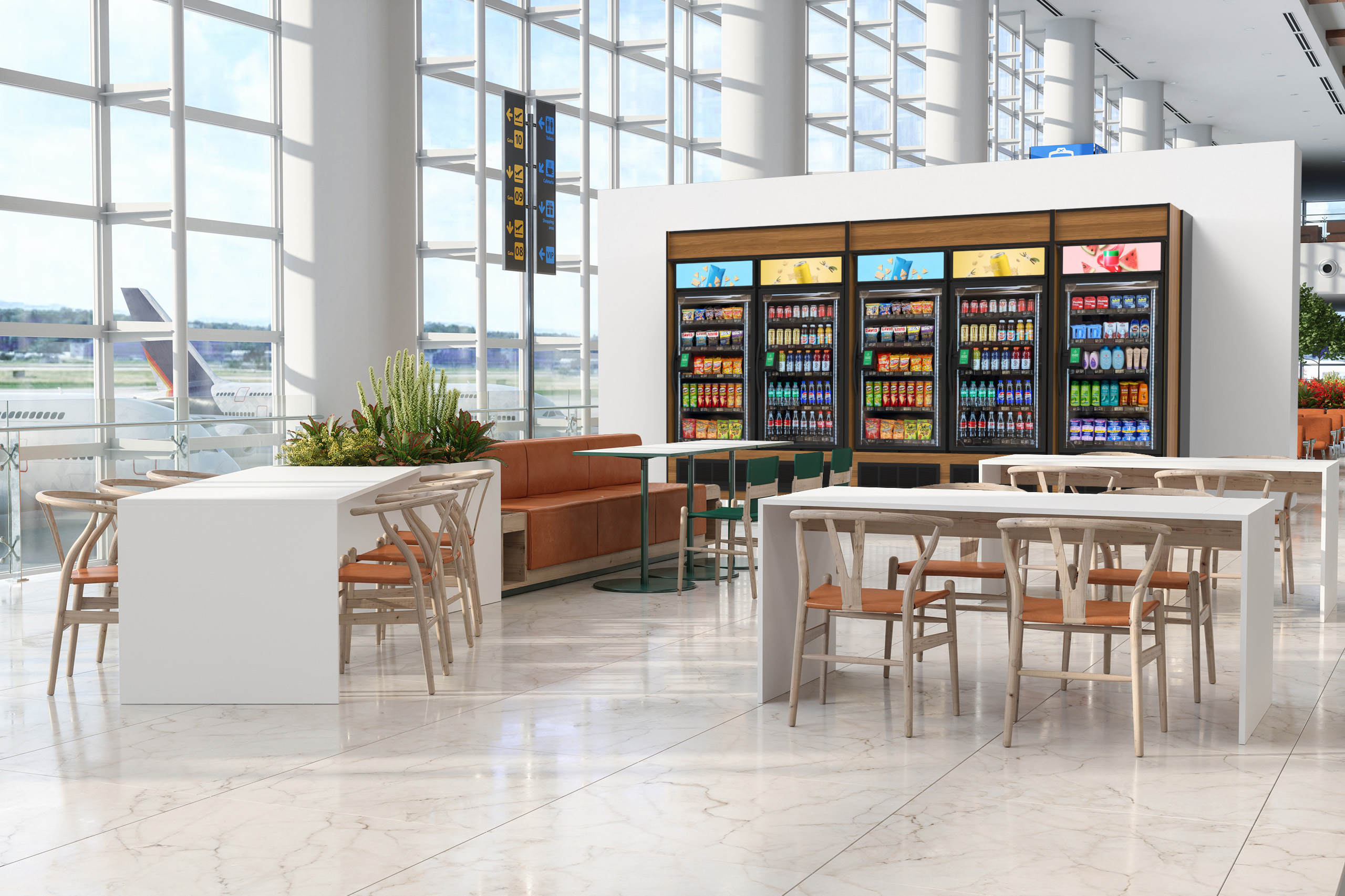
Launch a vending machine business with this step-by-step checklist: research high-traffic locations, build a business plan, form an LLC, secure equipment ($1,500-$6,000), pitch sites, and install machines. US operators average $300-$500 monthly profit per well-placed unit. Credit card readers boost sales 30-50%. Avoid buying machines without locations. Beginners build scalable passive income through smart scouting and maintenance.
Overwhelmed by starting a vending machine business with zero experience? Most beginners waste thousands guessing on locations, equipment, and setup. This step-by-step launch checklist delivers the exact roadmap to go from idea to profitable machines in weeks. US vending operators average $300 to $500 monthly profit per well-placed machine.
Introduction
Starting a business usually means signing expensive leases, hiring staff, and working long hours before seeing a dime. The vending industry flips that script. It offers a way to generate cash flow with lower startup costs and no employees to manage. You place a machine, stock it, and let it do the selling for you.
For beginners, this model is attractive because it scales at your own pace. You can start with one machine on the side or build a full-time route. However, it isn't "set it and forget it" magic. It requires strategy, smart location scouting, and reliable equipment. Whether you want a side hustle or a full-time empire, understanding the basics is the only way to build a profitable operation from day one.
What Is a Vending Machine Business?
At its core, a vending machine business is a retail operation that runs without a sales clerk. It is a passive income model where operators place machines in high-traffic spots to sell products automatically. Instead of paying rent for a storefront, you pay a commission or flat fee to a property owner to host your equipment.
- The industry offers several equipment options to fit different markets:
- Snack machines: Chips, candy, and pastries.
- Beverage machines: Sodas, water, and energy drinks.
- Specialized machines: Fresh food, coffee, or electronics.
Success relies on consistent inventory management, regular maintenance, and solid location agreements.
Why Start a Vending Business as a Beginner?
The barrier to entry for vending is significantly lower than most other industries. You don't need a college degree or a massive bank loan to get started. A single refurbished machine can cost less than a used car, making it accessible for many first-time entrepreneurs.
Flexibility is another huge advantage. You set your own schedule for restocking and collecting cash. If you have a full-time job, you can service your machines on evenings or weekends. Plus, the business is scalable. You can master the process with one machine, then use the profits to buy a second and third. Cash flow is immediate; you don't wait 30 days for invoices to clear. Customers pay upfront, putting money directly into your pocket.
How a Vending Business Works
The business cycle is straightforward, but each step matters. First, you acquire equipment and find a location that needs your service. Once the machine is installed, your job shifts to operations. You visit the site weekly or bi-weekly to restock products and collect revenue.
You buy inventory in bulk at wholesale prices—from places like Costco, Sam's Club, or specialized distributors—and sell it at a markup. The difference between your cost of goods sold (COGS) and the vending price covers your expenses and provides your profit. Over time, you analyze what sells best and adjust your menu to maximize sales.
Step-by-Step Launch Checklist
Step 1: Research Markets and Validate Demand
Don't buy a machine until you know where it will go. Look for locations with high foot traffic and "captive audiences"—people who are stuck somewhere for hours. Good examples include office break rooms, warehouses, auto repair shops, and gyms.
Check if these spots already have machines. If they do, are the machines old, empty, or broken? That's your opportunity. Talk to business owners in your area to see if they are unhappy with their current vending service. Validating demand first saves you from storing a heavy machine in your garage with nowhere to put it.
Step 2: Build Your Business Plan and Secure Financing
Treat this like a real business, not a hobby. Write a simple plan that outlines your budget, target locations, and expected earnings. Calculate your startup costs, which include the machine, card reader, initial inventory, and coin mechanism.
If you don't have the cash upfront, look into financing options. Many equipment sellers offer payment plans. Vendingpreneurs helps connect aspiring operators with financing resources and mentorship to navigate this stage. You need enough capital to buy the equipment and keep it stocked for the first month while you build up your cash reserves.
Step 3: Handle Legal Setup and Buy Equipment
You need to make your business official. In the US, this usually means forming an LLC to protect your personal assets. You will also need an Employer Identification Number (EIN) from the IRS to open a business bank account. Check with your local city or county clerk about specific vending permits or sales tax licenses required in your area.
When buying equipment, decide between new or refurbished.
- New machines: Come with warranties and modern tech but cost more ($4,000–$6,000+).
- Refurbished machines: Cheaper ($1,500–$3,000) but require careful inspection.
Always ensure the machine is compatible with credit card readers.
Step 4: Secure Locations and Install Machines
This is the sales part of the job. You have to pitch your services to location managers. Focus on the benefits for them: happy employees, convenient snacks, and reliable service. Be professional—bring a business card and a flyer showing what you offer.
Once a location says yes, sign a contract. This agreement should outline the commission rate (if any), service schedule, and terms for removing the machine. Hire a professional mover to install the machine. Vending machines can weigh 600 to 800 pounds, and trying to move one yourself is a recipe for injury or property damage.
Step 5: Launch, Stock, and Monitor Performance
On launch day, fill the machine completely. Use a "planogram"—a map of where each product goes—to keep things organized. Place best-sellers at eye level to boost sales. Make sure your coin mechanism and bill validator work perfectly, and test the credit card reader.
After launch, monitor sales closely. If a specific chip flavor isn't moving, swap it out. If the machine runs out of water every three days, increase the quantity. Modern card readers often come with telemetry, allowing you to see inventory levels remotely so you only visit when necessary.
Best Practices for Vending Success
Technology is your best friend in this industry. Cash-only machines are a thing of the past. Most customers today, especially younger ones, don't carry cash. Installing a credit card reader can increase sales by 30% to 50%.
Customer service is what keeps you in business. If a machine eats someone's dollar, refund them immediately. Leave a contact sticker on every machine so people can report issues. Keep your machines clean; nobody wants to buy food from a dusty, grime-covered box. Finally, focus on freshness. Check expiration dates every time you restock. Selling stale food is the fastest way to lose a location.
Common Mistakes Beginners Make
The biggest mistake is buying a machine before securing a location. This leaves you with a depreciating asset sitting in storage. Another error is ignoring the numbers. You must track your Cost of Goods Sold (COGS). If you buy a soda for $0.50 and sell it for $1.00, your margin might be too thin after commissions and gas.
Beginners also tend to neglect maintenance. A broken machine makes zero dollars. If a bill validator jams, fix it within 24 hours. Lastly, don't overpay for "biz-op" packages that promise guaranteed locations. These leads are often low-quality. It is usually better to find your own spots or work with reputable networks like Vendingpreneurs that provide vetted resources.
Conclusion
Starting a vending business is a practical way to build income without trading all your time for money. It requires upfront effort—finding locations, buying equipment, and learning the ropes—but the ongoing work is manageable and flexible. By following a structured checklist and avoiding common traps, you can turn a metal box into a reliable revenue stream.
Start small, focus on high-quality locations, and prioritize customer service. Whether you stop at one machine or grow to a hundred, the fundamentals remain the same. The opportunity is there for anyone willing to do the work.
Frequently Asked Questions
How much can I realistically earn from one vending machine in Eugene, OR?
A single well-placed vending machine in Eugene, OR, like at the University of Oregon campus or local factories, generates $300-$600 monthly profit after costs, based on 50-100 daily vends at $1.50-$2 per item.
What vending permits are required in Eugene, OR?
In Eugene, OR, secure a City of Eugene business license ($50-$100 annually), Oregon sales tax permit from the Department of Revenue (free), and health permits for food vending from Lane County Public Health (around $200 yearly).
Are there vending machine grants or loans for beginners in Oregon?
USA Small Business Administration offers microloans up to $50,000 for vending startups; Oregon's Business Expansion Support Initiative provides up to $100,000 for equipment. Check Vendingpreneurs for local Eugene financing matches.
How do I find high-traffic vending locations in Eugene, OR?
Target Eugene spots like PeaceHealth Sacred Heart Medical Center, Autzen Stadium events, or Amazon warehouses; use Google Maps for foot traffic data and cold-call managers offering 10-20% commissions on sales.
What are the best bulk suppliers for vending inventory near Eugene, OR?
US Foods and Sysco service Eugene with wholesale snacks/drinks at 40-50% markups; local Costco in Springfield, OR, offers bulk sodas for $0.40/can, ideal for beginners stocking combo machines.