
January 14, 2026
Seasonal Vending Machine Ideas (Winter, Summer, Back-to-School)
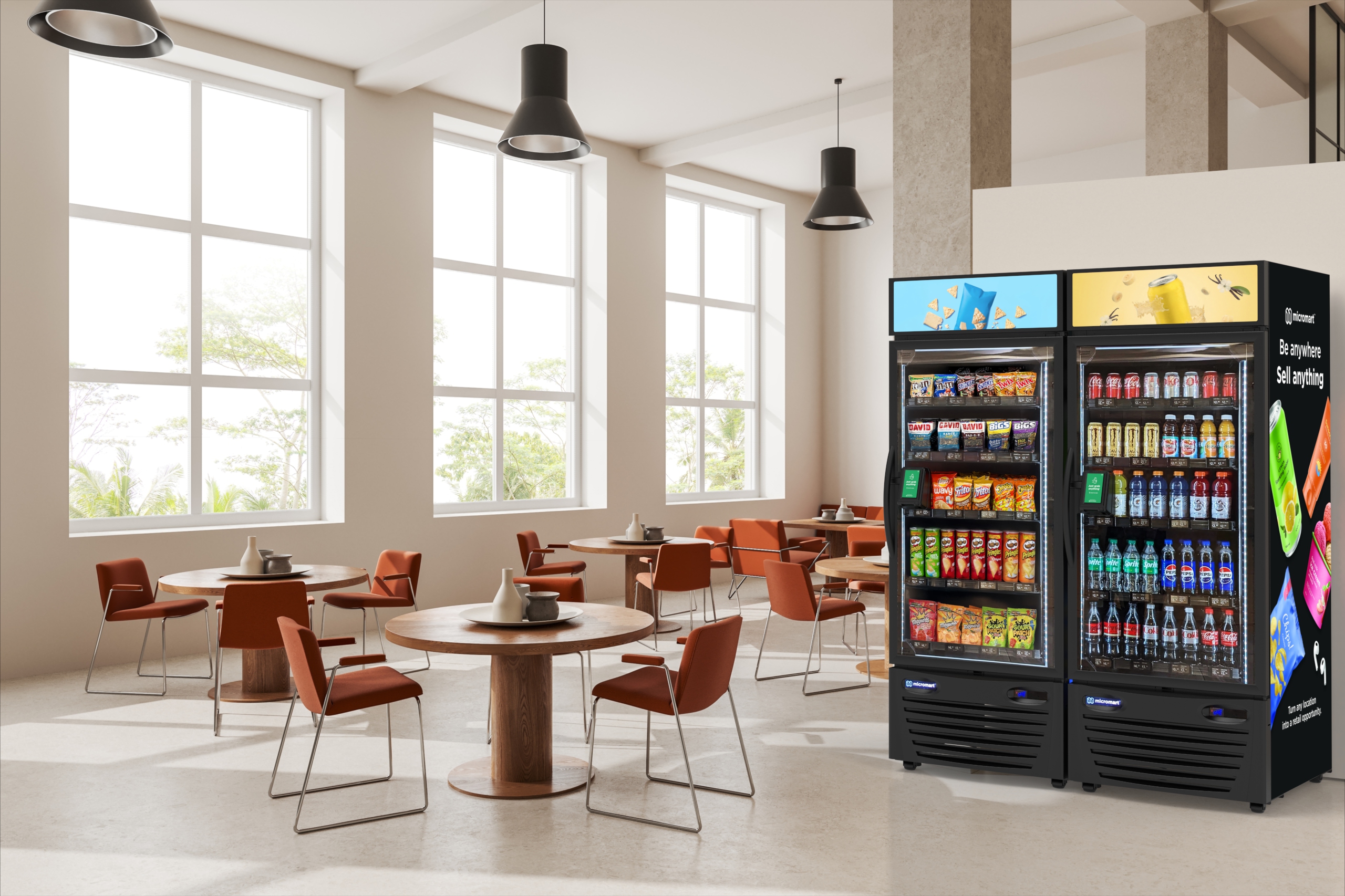
Seasonal vending strategies prevent 40% revenue loss in Eugene's variable weather by rotating inventory: winter hot drinks/soups in offices, summer hydration/sports drinks at festivals, back-to-school energy bars/protein in dorms. Plan 30 days ahead, adjust machine temps/coils, tie into holidays. Vendingpreneurs provide tools for year-round profits.
Struggling to maintain steady vending machine sales through Eugene's rainy winters, scorching summers, and back-to-school rushes? Many operators lose up to 40% of revenue during off-peak seasons due to stale inventory. This guide delivers targeted ideas for winter hot drinks, summer chillers, and student snacks that skyrocket year-round profits, backed by Vendingpreneurs' proven strategies.
Introduction to Seasonal Vending Machine Strategies
It is currently January 2026, which means winter strategies are in full swing for vending operators. But successful business owners know you always have to look ahead. Seasonal vending isn't just about putting a Santa sticker on your machine in December. It is a strategic approach to inventory that aligns with what your customers need at specific times of the year.
By adjusting your products to match the weather and current events, you stay relevant. A cold soda might not sell well in a freezing warehouse, but a hot coffee or a hearty soup will fly off the shelf. Rotating products seasonally keeps employees engaged and encourages healthier choices.
What Are Seasonal Vending Machine Ideas?
Seasonal vending ideas are specific product mixes and location strategies tailored to the time of year. This goes beyond just food and drink. It includes adjusting your machine's settings, changing your marketing, and sometimes even moving machines to different locations to capture traffic.
Think of it as matching your supply to the immediate demand of the environment. In the vending industry, this usually breaks down into three major categories:
- Winter: Comfort foods and hot drinks
- Summer: Hydration and frozen treats
- Back-to-School: Energy boosters and meal replacements
Why Seasonal Vending Boosts Profits Year-Round
The main reason to adopt a seasonal strategy is simple: relevance drives revenue. When you offer exactly what a customer is craving in that moment, you remove friction from the buying process. If it is 90 degrees out, a customer doesn't have to think twice about buying a cold sports drink.
While novelty items are fun, the core of your business often relies on staples. In fact, best-selling vending snacks are usually familiar brands like Doritos, Lay’s, Snickers, Coke, Red Bull, and Gatorade. Seasonal vending takes these familiar favorites and highlights the ones that make the most sense for the current weather.
Winter Vending Machine Ideas
Since we are in the middle of winter right now, this is your immediate priority. People are looking for warmth and comfort. The cold weather changes buying habits drastically, shifting focus from refreshment to sustenance and heat. You want your machine to feel like a cozy oasis in a cold environment.
Hot Beverages and Hearty Snacks
If your machine supports it, hot drinks are a goldmine in January and February. Workplace machines dispense gourmet drinks, allowing employees to bypass coffee shop lines. Beyond coffee, consider stocking:
- Instant soup cups
- Hot chocolate mixes
- Oatmeal bowls
- Spicy chips (to turn up the heat)
Cozy Locations for Cold-Weather Sales
In winter, outdoor foot traffic drops. You need to focus on indoor locations where people are "stuck" and need comfort. Great spots include:
- Office breakrooms: Employees stay inside for lunch to avoid the cold.
- Car repair shops: Customers wait longer in heated waiting rooms.
- Hospitals: Staff and visitors need 24/7 access to food without leaving the building.
Holiday Tie-Ins for Peak Revenue
Winter is packed with holidays that offer sales opportunities. Even after the December rush, you have plenty of chances to boost sales through February.
- New Year's (Jan): Stock healthy options like trail mix and protein bars for resolution-setters.
- Valentine's Day (Feb): Add premium chocolates or red-packaged snacks.
- Super Bowl (Feb): Stock up on chips, pretzels, and soda for the big game.
Summer Vending Machine Ideas
As we look toward the middle of 2026, your strategy needs to pivot completely. Summer is about beating the heat. Your machine needs to run colder, and your products need to be lighter. People are more active, thirsty, and looking for quick relief from high temperatures.
Hydration and Chill Treats
Thirst is the biggest driver of sales from June to August. You should increase the ratio of beverages to snacks in your machines. Cold beverages like water, sports drinks, flavored waters, and iced tea are best-selling. Don't forget:
- Electrolyte drinks (Gatorade, Powerade)
- Lemonade and fruit juices
- Cold brew coffee cans
Festival-Ready Product Mixes
Summer brings crowds to parks, fairs, and concerts. If you secure a spot near these events, your product mix should change to "survival mode."
- Non-food items: Sunscreen packets, ponchos, hand sanitizer.
- Energy: Energy drinks for long festival days.
- Salty snacks: Pretzels and nuts to replenish salt lost from sweating.
Back-to-School Vending Machine Ideas
Come late August and September, the focus shifts to education. Schools, universities, and dorms become prime real estate. The demographic here is younger, hungrier, and often on a tight schedule. They need fuel for studying and quick meals between classes.
Energy-Boosting Snacks for Students
Students run on caffeine and sugar, but they also look for functional energy. You want items that promise alertness.
- Caffeinated drinks: Cold brew, energy drinks, matcha.
- Protein bars: For sustained energy during long lectures.
- Dark chocolate: A popular study aid for focus.
Campus and Dorm Hot Spots
Location is critical on a sprawling campus. You want to be where the students are studying or sleeping.
- Library lobbies: For late-night study sessions.
- Dorm common areas: For students who don't want to walk to the dining hall.
- Gyms: For post-workout recovery drinks.
Quick-Study Meal Replacements
College students often skip traditional meals. Your vending machine can serve as a mini-grocery store.
- Cup noodles: A classic dorm staple.
- Pop-Tarts and pastries: For quick breakfasts.
- Shelf-stable tuna or chicken kits: For actual protein.
- Large "grab bags" of chips: For sharing with roommates.
How Seasonal Vending Machines Work
Transitioning your machines for the seasons isn't automatic. It requires a manual effort and smart planning. You can't just show up with new stock and expect it to fit. You have to manage your supply chain and your physical hardware to ensure everything runs smoothly.
Inventory Planning and Rotation
You need to start buying seasonal stock at least 30 days before the season hits.
- Mark down old stock: Before introducing new items, run a sale to clear out the previous season's leftovers.
- Check expiration dates: Seasonal items often have shorter shelf lives.
- Test small: Don't fill an entire row with a new seasonal flavor until you know it sells.
Sourcing Seasonal Suppliers
Not all wholesalers carry seasonal items year-round. You might need to find specialty distributors for things like holiday candies or specific summer drinks.
- Look for limited editions: Brands often release "Winter Spice" or "Summer Berry" versions.
- Bulk buy early: Prices for seasonal goods often go up right before the holiday.
Machine Setup and Monitoring
Your machine needs physical adjustments too.
- Temperature checks: In summer, lower the temperature to keep drinks ice-cold. In winter, ensure liquids don't freeze if the machine is in a drafty area.
- Coil adjustments: Different packaging sizes (like soup bowls vs. soda cans) require different coil spacing.
Best Practices for Maximizing Seasonal Sales
To get the most out of these strategies, you need to be proactive.
Communicate: Put a sticker or sign on the glass saying "New Winter Favorites!"
- Bundle: If your machine technology allows it, offer a deal on a "Coffee + Pastry" combo.
- Analyze data: Watch your sales reports weekly. If the pumpkin spice cookies aren't moving by November 15th, replace them immediately.
Common Mistakes in Seasonal Vending and How to Avoid Them
Even experienced operators slip up. Here is what to watch out for:
- Starting too late: If you put out Valentine's candy on February 13th, you missed the boat. Start 3-4 weeks early.
- Overstocking: Seasonal items have a hard "end date." You don't want to be stuck with 50 cases of Christmas cookies in January.
- Ignoring the machine type: Don't put meltable chocolate in a non-refrigerated machine during summer.
Get Started with Vendingpreneurs for Seasonal Success
Adapting to the seasons is a lot easier when you have support. Vendingpreneurs offers the resources you need to stay ahead of the calendar. Whether you need access to financing for upgrading your machines to dual-zone models or leads on high-traffic indoor locations for the winter, we can help.
We provide a turnkey approach that includes mentorship and business tools. This helps you plan your inventory cycles effectively so you aren't left guessing. Join Vendingpreneurs today and build a vending business that profits in every season.
Frequently Asked Questions
What vending machine regulations apply in Eugene, OR for seasonal products?
Eugene vending operators must follow Oregon Health Authority rules, including labeling allergens and expiration dates on all snacks/drinks. Annual permits cost $100-200; check Lane County Health for inspections, prioritizing temperature control for hot/cold seasonal items.
How much profit increase can operators expect from seasonal vending in Oregon winters?
Eugene winter vending boosts sales 25-40% via hot drinks/soups, per local operator reports, as cold weather (avg 40°F Dec-Feb) drives indoor demand. Track via telemetry to hit $500-1,000/month extra per high-traffic machine.
What are the best winter vending spots in Eugene, OR?
Top Eugene winter locations include University of Oregon dorms, PeaceHealth Sacred Heart Medical Center waiting areas, and Autzen Stadium offices. Indoor sites see 2-3x foot traffic during rainy season (150+ inches annual rainfall).
How do I source seasonal vending supplies near Eugene, OR?
Contact Pacific Northwest distributors like Vistar Portland or Eugene-area wholesalers for bulk hot cocoa/sports drinks. Buy 30 days early; limited-edition items from Costco Business Center Eugene save 20-30% vs retail.
Can school vending machines in Eugene, OR stock energy drinks during back-to-school?
Yes, but Oregon follows federal SMART Snacks rules - energy drinks ok for high schools if under 75 calories/12oz with ≤35% sugar. University of Oregon campus machines prioritize protein bars/matcha for student compliance.