How to Build a Self-Managed Route So You Can Work Less
[
[
](/) HomeAbout UsCase StudiesMachine MarketplaceVending LeadsVending CPA ExpertsMachine FinancingVending InsuranceContact Us HomeAbout UsCase StudiesNewsVending MarketplaceVending LeadsVending CPA ExpertsMachine FinancingVending InsuranceContact Us January 16, 2026
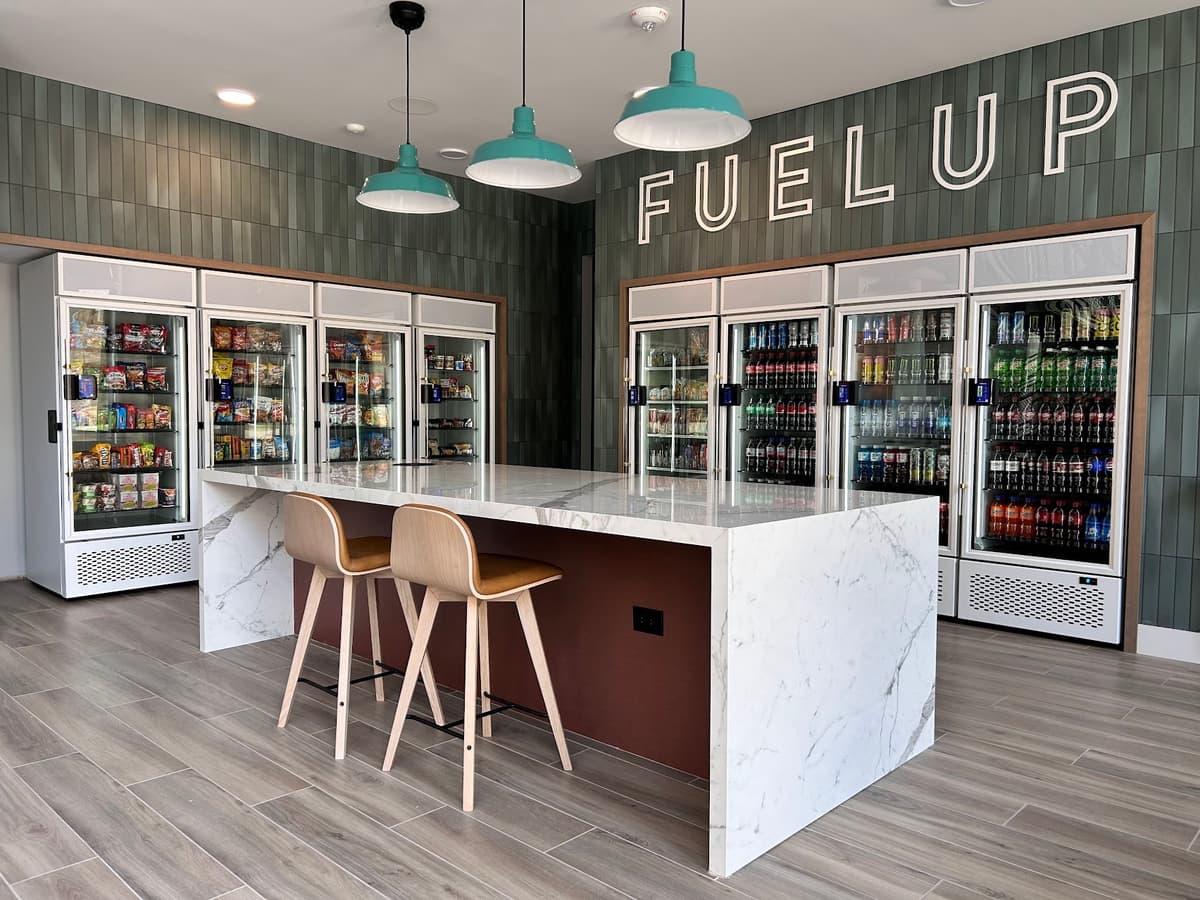
Build a self-managed vending route to cut servicing time by 70% and double profits using telemetry tools and dynamic scheduling. Key steps: select high-traffic office buildings and schools, install cashless machines with VMS like Cantaloupe Seed Pro, negotiate 24/7 access, and optimize restocks based on real-time data. Avoid manual tracking; this creates passive income nationwide.
Tired of slaving away 40+ hours a week servicing vending machines while profits barely cover gas? You crave the passive income vending promised, but manual routes keep you chained to the wheel. This guide delivers a proven step-by-step plan to build a self-managed route that cuts your time by 70% and doubles profitability, just like Vendingpreneurs clients achieve nationwide.
What Is a Self-Managed Vending Route?
A self-managed vending route is a business model where you own the machines and handle the operations yourself, but you use systems to minimize the actual labor. Unlike a "full-service" contract where an outside company does everything for a fee, you keep 100% of the profits. The goal isn't to buy yourself a grueling job stocking soda cans 12 hours a day. The goal is to build a route that runs efficiently on your terms.
You use technology to track inventory remotely, so you only visit machines when necessary. This approach strikes a balance between control and freedom. As the Vending Group Blog notes, "The benefit of a full-service vending program is that you don't have to do any of the work. The downside is that it can be time-consuming and quickly turn into a hassle" (Vending Group Blog). By managing it yourself with the right tools, you avoid the hassle of coordinating with third parties while keeping your margins high.
Why Build a Self-Managed Route: Reclaim Your Time and Boost Profits
Many people get into vending because they want passive income, but they often end up working harder than they expect. Building a self-managed route specifically focuses on efficiency. You aren't just placing machines; you are building an asset that generates revenue without requiring your constant physical presence.
The financial and lifestyle benefits are clear when you look at the structure of an established route:
- Immediate Cash Flow: Purchased routes typically generate income from day one, meaning you don't have to wait months to see a return.
- Reduced Startup Time: Established routes eliminate the lengthy process of finding locations and negotiating agreements.
- Lower Risk Investment: Historical sales data from existing routes provides concrete evidence of earning potential.
By focusing on these advantages, you create a business that serves your life, rather than the other way around.
How a Self-Managed Vending Route Works
The mechanics of a self-managed route differ from a traditional "mom and pop" operation. In the old days, you drove a truck to every machine, opened it up, and counted what was missing. That is a waste of time and fuel. A modern self-managed route relies on data and strategy.
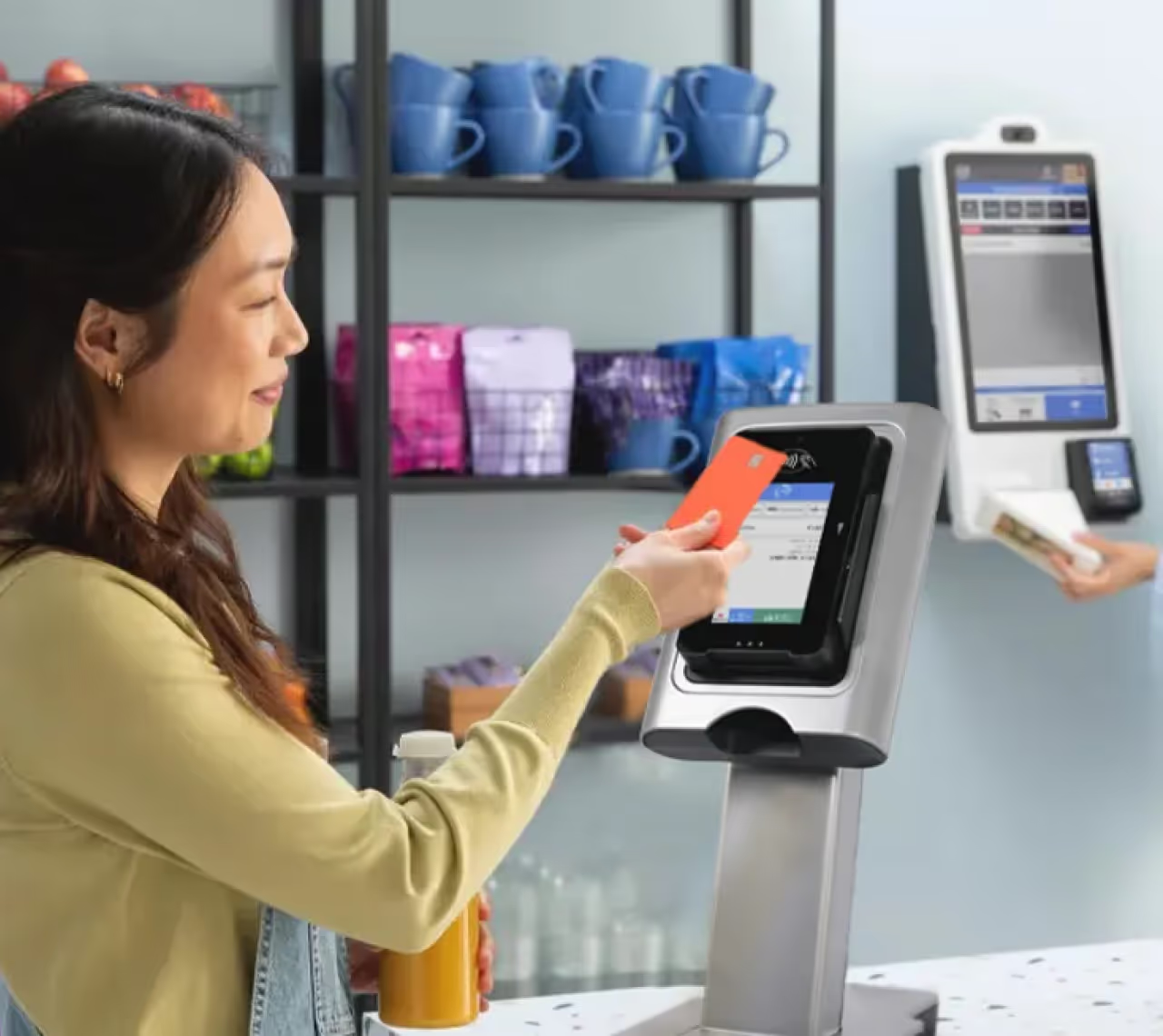
You install card readers and telemetry devices on your machines. These devices send real-time sales data to your phone or computer. You know exactly what sold and when. This allows you to plan your route before you even leave your house. You pack exactly what you need, drive only to the machines that need service, and ignore the rest.
Step-by-Step Guide to Building Your Self-Managed Route
Building a route that runs smoothly requires upfront planning. You cannot just throw machines into random lobbies and hope for the best. Efficient routing can make a huge difference in profitability, so avoid a scattered plan if you can. If you are buying an existing route, do due diligence and review the sales records of those machines to ensure they are actually performing.
Here is the process to build a route designed for minimal maintenance.
Step 1: Identify High-Traffic, Low-Maintenance Locations
Not all locations are equal. You want high foot traffic, but you also want security and consistent hours. Office buildings, manufacturing plants, and schools are ideal because the customer base is consistent and the machines are indoors, protected from weather and vandalism. Avoid locations with restricted access that forces you to visit at odd hours. You want spots that allow you to service machines during a standard window that fits your schedule.
Step 2: Choose Reliable Machines and Inventory
If you buy old, beat-up machines, you will spend your "passive" time fixing coin jams. Invest in modern equipment that supports cashless payments and remote monitoring. Reliability is the most critical factor for a self-managed route. For inventory, stick to top-selling national brands initially. You can experiment with niche products later, but reliable machines filled with popular snacks ensure the system runs without constant oversight.
Step 3: Negotiate Location Contracts for Passive Operations
When you sign an agreement with a location owner, the terms should support your efficiency. Negotiate for 24/7 access or at least broad access windows so you aren't rushing to refill a machine before a building locks its doors. Also, clarify that you are the sole provider. You don't want a competitor placing a machine right next to yours, splitting your revenue and forcing you to work twice as hard for the same money.
Step 4: Set Up Automation and Monitoring Tools
This is the most important step for reducing your workload. You need a vending management system (VMS). These tools track inventory, cash flow, and machine health.
By using these tools, you move from "guessing" to "knowing," which saves hours of driving time every week.
Step 5: Launch, Test, and Scale Efficiently
Start with a manageable number of machines—perhaps three to five. This allows you to test your product mix and get comfortable with your VMS. Once you have the data proving which items sell best, you can refine your planograms (the layout of products in the machine). After your initial machines are running smoothly and profitable, you can replicate the process to add more locations without linearly increasing your workload.
Best Practices for Long-Term Route Success
Once your route is active, the goal shifts from building to optimizing. You want to squeeze the most profit out of every visit while doing the least amount of driving. This requires a commitment to modern standards and continuous improvement.
Here are the key areas to focus on for 2026 and beyond:
- Technology Integration: Modern machines feature cashless payments, remote monitoring, and inventory software.
- Healthy Product Demand: Consumer preferences shift towards healthier snack and beverage options.
- Data-Driven Operations: Advanced analytics and customer behavior tracking optimize product selection and pricing.
Prioritize Telemetry-Enabled Machines
Telemetry is the hardware that talks to your software. It is non-negotiable for a self-managed route. Without it, you are flying blind. Telemetry tells you if a machine is down, if the bill validator is jammed, or if the temperature is too high.
Optimize Restocking Schedules
Don't stick to a rigid schedule like "every Tuesday." That is inefficient. Use dynamic scheduling. If a machine is still 80% full, skip it. If another machine sold out of energy drinks in two days, go there immediately. Your route should change every week based on actual demand. This saves fuel and ensures you are only working when there is money to be collected.
Build Redundancy into Your Operations
Even the best systems fail. A self-managed route needs backup plans. Keep spare parts for common failures like coin mechanisms or card readers. Have a backup vehicle available if your main delivery truck breaks down. If you plan to go on vacation, train a trusted person who can cover your route using your documented processes. Redundancy prevents a small problem from becoming a business crisis.
Common Mistakes That Kill Route Profitability
The biggest mistake new vendors make is trying to do everything manually to "save money." They buy cheap machines without card readers, track inventory on paper, and drive to every location just to check stock. This burns you out and caps your income.
Another major error is failing to adapt to the location. A gym needs protein bars; a waiting room needs comfort food. If you use a generic product mix everywhere, you lose sales.
Partner with Vendingpreneurs to Accelerate Your Route Build
Building a self-managed route from scratch takes time, research, and trial and error. You have to find the machines, secure the locations, and set up the tech stack alone. Vendingpreneurs offers a different path.
We provide a turnkey marketplace and mentorship program designed to help you launch faster. Whether you need access to prime vending leads, assistance with financing, or discounts on state-of-the-art equipment, we have the resources to support you. Instead of guessing what works, you can plug into a proven system that prioritizes your time and profitability. Start your journey with Vendingpreneurs today and build a business that works for you.
Frequently Asked Questions
What are typical startup costs for a self-managed vending route in Eugene, OR?
Expect $5,000-$15,000 per machine including purchase, telemetry setup, and initial inventory. In Eugene, factor in $500-$1,000 for local permits and vehicle modifications, per Oregon Vending Association data, keeping total under $50,000 for 3-5 machines.
How much time per week does a self-managed route require after setup?
Optimized routes take 10-15 hours weekly for 20 machines using VMS and dynamic routing. Eugene operators report saving 20+ hours monthly by skipping full machines, based on local telemetry user feedback.
What permits are needed for vending machines in Eugene, OR?
Obtain a Eugene Business License ($50-$100 annually) and Oregon Food Handler Permit ($10 online). Lane County requires health inspections for snacks/beverages; no sales tax permit needed as vending is exempt under Oregon law.
Can a self-managed vending route qualify for US small business loans?
Yes, SBA Microloans up to $50,000 cover machines/inventory at low rates. Eugene vendors accessed $200,000+ via Lane Small Business Development Center in 2023; provide route sales projections for approval.
How do cashless payments impact profits in a self-managed route?
Cashless boosts revenue 20-30% via impulse buys and reduces theft, per Nayax data. In Eugene offices, card readers increased average sales $150/month per machine by enabling contactless payments.
[
](#) HomeAbout UsCase StudiesNewsVending MarketplaceVending LeadsVending CPA ExpertsMachine FinancingVending Insurance Contact Us Terms Privacy Policy