Step-by-Step Guide: From Zero to First Vending Machine — What You Need to Do to Launch
[

[

](/) HomeAbout UsCase StudiesMachine MarketplaceVending LeadsVending CPA ExpertsMachine FinancingVending InsuranceContact Us HomeAbout UsCase StudiesNewsVending MarketplaceVending LeadsVending CPA ExpertsMachine FinancingVending InsuranceContact Us December 5, 2025
Starting a vending machine business in 2025 offers significant potential, with the market projected to reach $45.06 billion by 2034. Key steps include conducting market research, selecting high-traffic locations, and creating a solid business plan. Focus on cashless payment systems and popular products like snacks and beverages. Establish maintenance routines and monitor sales data to optimize operations and ensure long-term growth in this lucrative industry.
Are you overwhelmed by the idea of starting your own vending machine business and unsure where to begin? This step-by-step guide will walk you through everything you need to launch your first vending machine in 2025, from market research to securing locations. Did you know that the vending machine industry is projected to reach $25 billion by 2025, making it a lucrative venture for aspiring entrepreneurs? With the right strategy, you can tap into this growing market and create a profitable business.
Introduction: Why Starting a Vending Machine Business Makes Sense in 2025
Starting a vending machine business in 2025 presents a compelling opportunity. The global vending machine market was valued at $21.46 billion in 2024 and is projected to reach $45.06 billion by 2034, growing at a CAGR of 7.70% from 2025 to 2034. This growth indicates a strong demand for convenient, on-the-go options, which vending machines provide.
Moreover, the industry is primarily comprised of small operators; in 2019, 67.10% of all vending machine operators generated annual revenues of less than $1 million. This statistic highlights that many entrepreneurs can successfully enter the market, navigating it with relatively low barriers to entry. Cashless payment systems are also on the rise, holding 75.41% of the vending machine market share in 2024. As mobile wallet and QR payments advance at a CAGR of 12.65%, integrating these technologies into vending machines can enhance customer experience and drive sales.
Overall, the combination of market growth, the prevalence of small operators, and the shift towards cashless transactions makes launching a vending machine business a sensible venture for aspiring entrepreneurs in 2025 (Precedence Research).
Step 1: Research Your Market and Define Your Vending Business Model
Researching your market is a crucial first step in launching a vending machine business. Understanding industry trends and identifying your target audience can help you make informed decisions. The U.S. vending machine market size was $7.7 billion in 2025, with a diverse array of businesses operating within this sector (IBISWorld).
Consider the types of locations that will yield the best results. Manufacturing sites lead vending machine placements with a 35.20% share, while offices and hotels also represent significant opportunities. By analyzing these dynamics, you can define a business model that aligns with market demands and consumer preferences, setting a solid foundation for future success.
Choosing Your Niche: What Products Will You Sell?
Choosing the right products is crucial for your vending machine business. Focus on high-demand categories like beverages and snacks, which accounted for 44.78% of revenues in 2024. Fresh food options are also gaining traction, with a projected market of $8 billion by 2029. Additionally, consider micro markets, which allow for a broader selection and cater to workplaces, enhancing customer satisfaction and increasing sales potential.
Step 2: Create a Solid Business Plan and Financial Projections
Creating a solid business plan and financial projections is crucial for anyone starting a vending machine business. A well-structured plan helps clarify your vision, identify your target market, and outline your operational strategy. It also serves as a roadmap, guiding you through the initial stages of your venture.
Financial projections are equally important, providing insights into expected revenue and expenses. For instance, monthly gross revenue per machine typically ranges from $150 to $400, with net profit margins around 25% to 35% (VendSoft - 2024). Understanding these figures can help you set realistic goals and make informed decisions as you launch your business.
Estimating Startup Costs and Initial Investment
Estimating startup costs is crucial for launching a vending machine business. Key expenses include the cost of goods sold, which typically accounts for about 50% of revenue. Location fees vary from 5% to 25% of sales, while maintenance averages $100 to $300 annually. Monthly electricity costs range from $10 to $50, and payment processing fees are around 2.5% per transaction. Understanding these costs enables effective budgeting and financial planning for sustainable operations.
Step 3: Register Your Business and Handle Legal Requirements
Registering your business and handling legal requirements is a crucial step in launching a vending machine venture. This process lays the foundation for your operations and ensures compliance with local, state, and federal laws. Proper registration protects your personal assets and establishes your business as a legitimate entity.
In the vending industry, understanding the legal landscape is essential. The nation's 2 million in-use vending machines are owned by 17,600 small businesses, with the vast majority employing just a few people, and no single entity owns more than 5% of the market. This suggests a highly fragmented market where individual compliance can vary significantly.
Navigating these requirements can seem daunting, but taking the time to understand your obligations will allow you to focus on growing your business. As you move forward, consider the specific structure that best fits your goals, as well as the necessary licenses and permits that will enable you to operate legally and efficiently.
Choosing Your Business Structure (LLC, Sole Proprietorship, or Corporation)
Choosing the right business structure is essential for your vending machine venture. An LLC offers liability protection and flexibility, while a sole proprietorship is simpler but exposes personal assets to risk. Corporations can attract investors but involve more regulations. Each structure affects taxes, liability, and operational complexity. Understanding these differences helps you align your business goals with the appropriate legal framework, ensuring compliance and protecting your assets as you grow your vending machine business (Statista).
Obtaining Licenses, Permits, and Tax Registrations
Obtaining the necessary licenses, permits, and tax registrations is crucial for legally operating a vending machine business. Start by researching local and state regulations, as these can vary significantly. Many areas require a business license, health permits, and food handler certifications, especially if you’re selling consumables. Additionally, registering for sales tax permits ensures compliance with state tax laws. The NAMA Machine Evaluation Program assists manufacturers in building equipment conforming to U.S. FDA Public Health Service Model Food Code requirements, with certification widely accepted by public health, agriculture, and military agencies.
Step 4: Secure High-Traffic Locations for Your Vending Machines
Securing high-traffic locations for your vending machines is crucial for maximizing revenue. The right placement can significantly enhance visibility and customer engagement, leading to higher sales.
Manufacturing sites have historically shown the highest concentration of vending machines at 30.20%, followed by offices at 25.40%, and hotels at 12.70% (Market.us Vending Machine Statistics). These environments typically offer a steady stream of potential customers, making them ideal spots for vending machines.
Understanding where to place your machines will set the foundation for your business's success. With strategic positioning, you can effectively tap into the growing demand for convenient, accessible snack and beverage options.
Identifying Profitable Location Types
Identifying profitable location types for vending machines involves understanding foot traffic patterns and customer demographics. High-traffic areas like manufacturing sites and office complexes typically yield the best results. These locations not only ensure consistent customer access but also cater to a captive audience seeking convenience. Additionally, public places are projected to see significant growth, highlighting a shift toward accessible vending solutions.
Negotiating Placement Agreements with Property Owners
Negotiating placement agreements with property owners is essential for securing optimal vending machine locations. Start by conducting thorough research on potential sites, identifying high-traffic areas that align with your target demographic. Approach property owners with a clear value proposition, highlighting benefits such as increased foot traffic and revenue sharing. Establishing a mutually beneficial agreement can foster long-term partnerships and enhance your business's success.
Step 5: Purchase or Lease Your Vending Machines
Purchasing or leasing vending machines is a significant step in launching your vending machine business. This decision influences not only your initial investment but also your operational flexibility. New machines often come with the latest technology and warranty support, ensuring reliability. However, they can be quite expensive, sometimes ranging from $3,000 to $10,000 or more, depending on the features and specifications.
On the other hand, refurbished machines can offer a more budget-friendly option. They typically cost less and can still provide good performance. However, it’s essential to assess their condition and any warranties offered. Regardless of your choice, consider logistics carefully. Vending machines are extraordinarily heavy, weighing between 600 to 800 pounds, which can complicate transport and installation. This factor can significantly affect your operational setup and costs (The Hustle).
Ultimately, the decision between purchasing and leasing should align with your business goals and financial strategy. Leasing may offer lower upfront costs and flexibility, while purchasing can provide long-term savings. Each route has its benefits and challenges, making it vital to evaluate your specific needs before proceeding.
New vs. Refurbished Machines: What to Consider
When deciding between new and refurbished machines, consider the long-term impact on your business. New machines often feature advanced technology and warranties, ensuring reliability. In contrast, refurbished options can be more affordable but may require careful inspection to assess their condition and remaining lifespan. Weigh these factors against your budget and operational needs.
Step 6: Launch Operations and Establish Maintenance Routines
Launching operations for your vending machine business is a crucial phase that sets the foundation for ongoing success. Establishing effective maintenance routines ensures your machines remain functional and profitable. A well-planned approach to operations not only enhances customer satisfaction but also maximizes revenue potential.
It's essential to implement a system for regular restocking and servicing. This keeps inventory fresh and meets customer demand. Additionally, incorporating technology can streamline these processes. For instance, vending machines equipped with remote monitoring systems allow for real-time sales data tracking, enabling you to identify which products are performing best. Machines that accept cashless payments see a sales increase of about 20%, highlighting the importance of modernizing your payment options (ZipDo Education Reports).
By prioritizing efficient operations and maintenance, you set the stage for a thriving vending machine business.
Creating a Restocking and Service Schedule
Establishing a restocking and service schedule is vital for maintaining inventory and ensuring customer satisfaction. Begin by analyzing sales data to determine peak times and popular products. This insight helps in setting a routine that aligns with demand.
Consider implementing a digital inventory management system to automate alerts for restocking needs. Regularly scheduled visits can also enhance machine performance and address maintenance issues promptly, ensuring your vending machines operate efficiently. A proactive approach minimizes downtime and maximizes revenue potential.
Handling Repairs and Preventive Maintenance
Handling repairs and preventive maintenance is essential for keeping your vending machines operational and profitable. Schedule regular inspections to identify potential issues before they become costly repairs. For instance, check for product jams and ensure that cashless payment systems function correctly. Utilizing IoT technologies can help monitor machine performance in real-time, allowing you to address problems swiftly. This proactive approach not only minimizes downtime but also enhances customer satisfaction by ensuring a seamless experience.
Step 7: Scale Your Vending Business for Long-Term Growth
Scaling your vending business requires strategic planning and effective execution. As your initial operations stabilize, consider how to expand your reach and maximize profitability. The vending industry is experiencing significant growth, with projections indicating a market value of $45.06 billion by 2034, driven by increasing consumer demand for convenience and technology integration (Statista).
To achieve long-term growth, focus on diversifying your product offerings and enhancing customer experience through technology. Smart vending machines that accept cashless payments are becoming essential, as they not only streamline transactions but also attract a tech-savvy clientele. Additionally, analyzing customer preferences and sales data can guide you in selecting high-demand products, optimizing inventory, and ensuring machines are well-stocked.
Establishing a strong brand presence is crucial as you scale. Effective marketing strategies and partnerships can enhance visibility and customer loyalty. By creating a seamless experience for your clients and customers, you position your business for sustainable growth in a competitive market.
Expanding to Multiple Locations
Expanding to multiple locations involves careful site selection and analysis of foot traffic patterns. Begin by identifying high-traffic areas such as office complexes or college campuses. Utilize data analytics to assess potential sales volumes based on demographics. Establish relationships with local businesses to enhance visibility and customer engagement, creating a network that supports your expansion efforts.
Conclusion: Your Roadmap from Zero to First Vending Machine
Successfully launching your first vending machine requires careful planning and execution. First, conduct thorough market research to identify potential locations and suitable products. High-traffic areas like offices, schools, and shopping centers are ideal for maximum visibility and sales. Next, choose a vending machine type that aligns with your target audience, whether it's traditional snacks or healthier options.
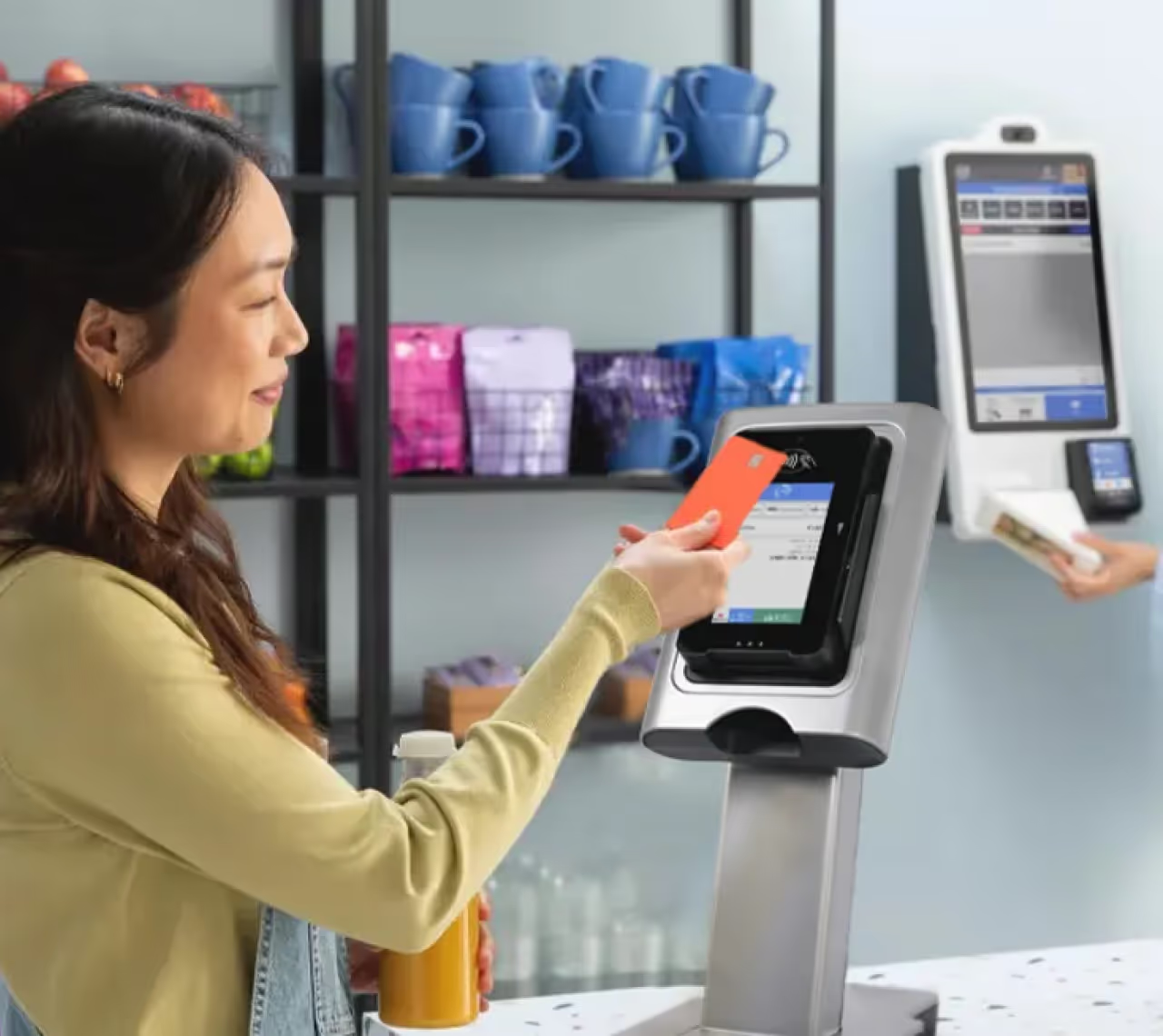
Once you've selected your machine, consider your payment systems. With cashless transactions holding a significant portion of the market, integrating mobile wallets and QR codes can enhance customer convenience and increase sales. After securing your machine and product supply, focus on establishing a maintenance schedule to ensure optimal performance.
Finally, monitor sales data regularly to refine your product offerings and adjust your strategies based on consumer preferences. This proactive approach can help you adapt to trends and maximize profitability. By following these steps, you can effectively navigate the vending machine landscape and capitalize on the industry's projected growth, which is expected to reach $45.06 billion by 2034 (Statista).
Frequently Asked Questions
What types of products sell best in vending machines?
Beverages and snacks are the top sellers, accounting for 44.78% of revenues in 2024. Fresh food options are also gaining popularity, with a projected market value of $8 billion by 2029.
How do I determine the best location for my vending machines?
Focus on high-traffic areas like manufacturing sites, offices, and hotels, which have historically shown the highest concentrations of vending machines. Analyze foot traffic patterns and customer demographics to optimize placement.
What are the typical maintenance costs for vending machines?
Annual maintenance costs usually range from $100 to $300, and it’s crucial to budget for regular servicing, which keeps machines functional and maximizes revenue potential.
How can I effectively market my vending machine business?
Utilize social media, local partnerships, and promotions to enhance visibility. Establishing a strong brand presence and engaging with your target audience can build customer loyalty and drive sales.
What are the advantages of cashless payment systems in vending machines?
Integrating cashless payment systems can increase sales by about 20%, as they cater to tech-savvy consumers seeking convenience. These systems streamline transactions and enhance customer satisfaction.
[
](#) HomeAbout UsCase StudiesNewsVending MarketplaceVending LeadsVending CPA ExpertsMachine FinancingVending Insurance Contact Us Terms Privacy Policy