January 14, 2026
Eco-Friendly & Zero Waste Machines: A New Trend in Vending
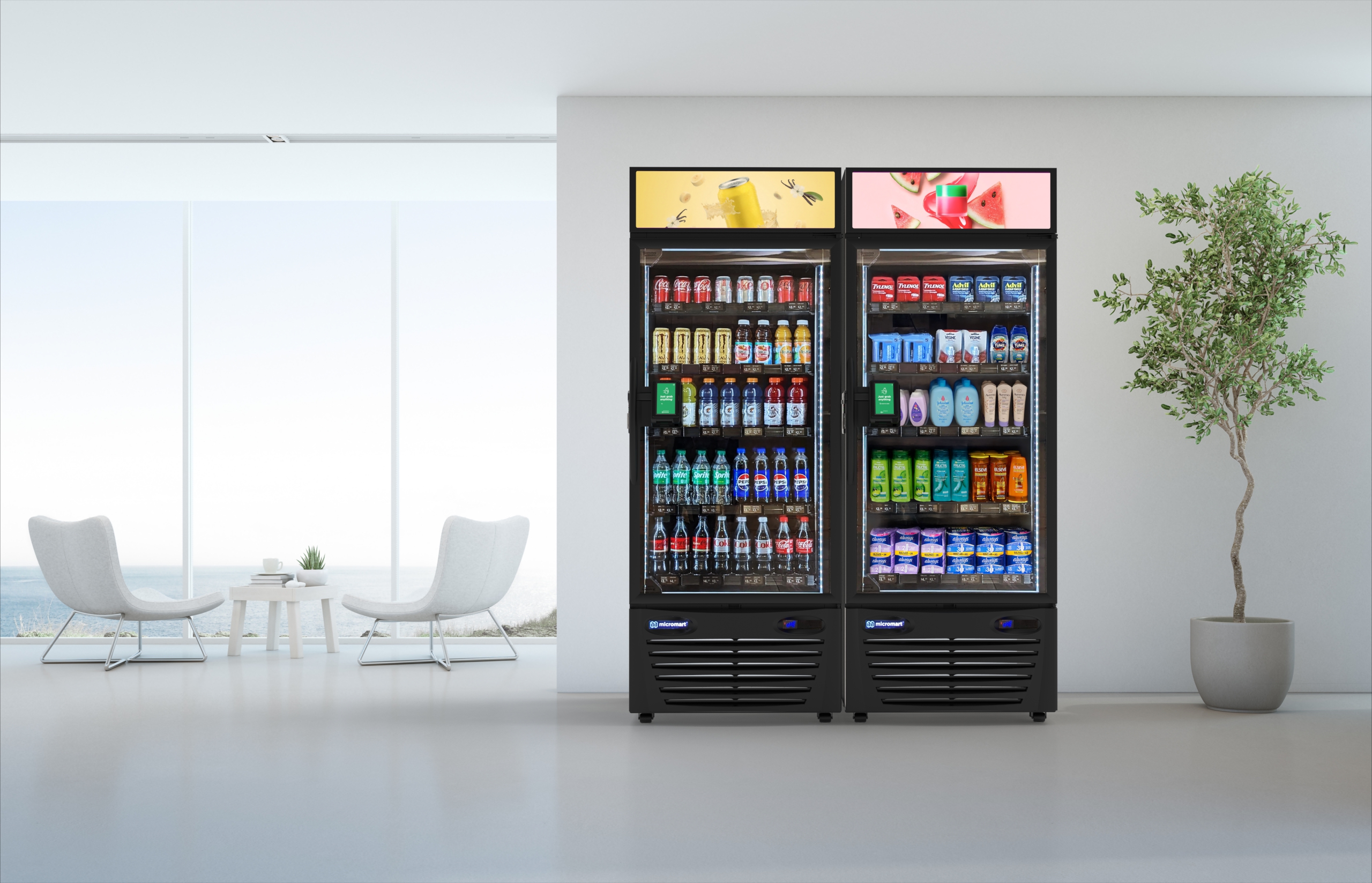
Eco-friendly zero-waste vending machines cut operator costs 35% through ENERGY STAR certification, LED lighting, and smart inventory tracking that reduces food waste 20%. Top models from Naturals2Go and Healthy YOU feature motion sensors and dynamic pricing. In Eugene, OR, target LEED sites for launches. Vendingpreneurs offers mentorship for sustainable profits and high-value locations.
Tired of vending machines that pile up waste and clash with Eugene's eco-conscious crowd? Customers and regs are pushing operators toward sustainability, but where do you start? This guide uncovers top zero-waste models, launch strategies for Oregon, and how green tech slashed operators' costs by 35% last year.
Introduction to Eco-Friendly Vending Machines
Sustainability isn't just a buzzword in 2026. It is a business requirement. For vending operators, going green means more than just saving the planet. It means saving money on electricity and appealing to modern customers who care about where their food comes from.
Traditional machines are often energy hogs that run constantly, regardless of whether anyone is using them. New eco-friendly models change that dynamic completely. They lower your utility bills and reduce your carbon footprint simultaneously.
If you want to build a vending business that lasts, starting with energy efficiency is the smartest move you can make.
What Are Eco-Friendly and Zero Waste Vending Machines?
These aren't your grandfather's soda machines. Eco-friendly vending machines utilize advanced hardware to minimize environmental impact. They focus on two main things: reducing power consumption and managing inventory to prevent trash.
While a standard machine might hum loudly and waste heat, these units run quietly and efficiently. They use smart software to track what sells, so you don't end up throwing away expired food. It is about combining better hardware with smarter data.
Core Features of Eco-Friendly Models
The hardware makes the biggest difference here. Modern green machines come equipped with specific components designed to slash energy usage.
- ENERGY STAR certification ensures the machine meets strict federal efficiency guidelines.
- R290 natural refrigerants replace harmful chemicals used in older cooling systems.
- LED lighting illuminates products without generating excess heat.
- Smart power-saving modes put the machine to sleep during nights or weekends.
Defining Zero Waste in Vending
Zero waste in vending doesn't just mean recyclable packaging. It refers to the operational side of the business. It is about ensuring every product stocked gets sold rather than tossed in a dumpster.
Smart vending machines minimize food waste by monitoring stock levels in real-time. This technology ensures products are sold before their expiration dates, keeping your inventory fresh and your trash cans empty.
The Growing Trend in the US Vending Market
The demand for green technology is reshaping the industry. In cities across the US, locations now request machines that align with their own corporate responsibility goals. Offices, schools, and hospitals want vendors who support their sustainability initiatives.
This shift is driven by consumers. People are actively choosing brands that demonstrate environmental care. If your machine looks modern and efficient, it attracts more traffic.
How Zero Waste Vending Machines Work
These machines rely on a combination of sensors, software, and efficient mechanics. The goal is to automate conservation. You don't have to manually unplug the machine or guess which products are expiring. The system handles it for you.
By integrating RFID tags and cloud connectivity, the machine knows exactly what is inside it. It adjusts its own temperature and lighting based on real-time activity, ensuring no kilowatt is wasted.
Energy-Efficient Technologies
Lighting and cooling are the two biggest energy drains for any vendor. New tech addresses both.
LED lights use up to 40% less energy than old fluorescent bulbs and last much longer. Additionally, while standard machines can use 4,400 kWh/year, adding motion sensors drastically reduces this by dimming lights during idle times.
Waste-Reduction Mechanisms
Software helps you manage perishables so you don't lose money on spoiled goods. This is critical for fresh food vending.
Mechanisms like dynamic pricing can automatically discount items that are nearing their expiration date. This strategy can reduce physical waste by approximately 20% while maintaining your gross margins. It turns potential trash into revenue.
Refill and Recycling Systems
Some machines go a step further by encouraging customers to recycle immediately after consumption.
- Reverse vending technology accepts used bottles or cans in exchange for credit.
- User-friendly touch screens guide customers through the recycling process.
- Customizable rewards incentivize users to return packaging.
This creates a closed loop where the machine acts as both a dispenser and a collection point.
Key Benefits for Vending Operators and Customers
Investing in green technology offers tangible returns. For the operator, the primary benefit is cost reduction. Lower electricity bills mean higher net profits every month. Over the lifespan of a machine, these savings add up to thousands of dollars.
For the customer and the location, it signals quality. A sleek, energy-efficient machine looks better and operates quieter than a clunky vintage model.
- Minimize energy consumption with advanced cooling and lighting systems.
- Support green initiatives that help you win contracts with eco-conscious locations.
- Enhance brand image by positioning your business as a responsible community partner.
Top Eco-Friendly Vending Machines for Entrepreneurs
When you are ready to buy, you need to know which manufacturers prioritize sustainability. Several brands lead the pack in 2026, offering machines that are built for efficiency from the ground up.
You want equipment that combines durability with smart energy management. This ensures your investment holds its value while keeping your operating costs low.
Healthy and Naturals2Go Options
Naturals2Go is a major player in this space. They focus on healthy snacks and the technology to support them.
These units are perfect for outdoor locations or sunny indoor atriums where you can harvest free energy.
Smart Tech from iKrave and Healthy YOU
Other top contenders like Healthy YOU and iKrave utilize smart technology to streamline operations. Their machines often feature remote monitoring capabilities.
This tech allows you to check inventory from your phone. You never waste gas driving to a full machine or a broken one. You only visit when necessary, which saves fuel and time.
Best Practices for Launching in Eugene and Beyond
If you are starting your business in a green-focused city like Eugene, OR, your sustainability pitch is your strongest asset. Local businesses here value environmental stewardship highly.
To succeed, you need to align your operations with the local culture. It is not just about the machine you buy, but how you run your route.
Site Selection for Sustainability
Look for locations that already prioritize green practices. In Eugene, this might include LEED-certified office buildings, universities, or co-ops.
These venues often have mandates to reduce energy usage. Pitching an ENERGY STAR certified machine makes you the obvious choice over a competitor with outdated equipment. Show them the data on energy savings to close the deal.
Supplier and Maintenance Strategies
Your route efficiency matters as much as your hardware. Driving a gas-guzzling truck across town to restock five candy bars defeats the purpose.
Smart monitoring reduces waste and optimizes restocking trips, leading to fewer trips and lower emissions. Plan your route to minimize mileage.
Common Mistakes to Avoid with Green Machines
A common error new vendors make is trying to cut corners. You might think you can take an old machine, slap an LED bulb in it, and call it "green." This rarely works.
Old compressors are inefficient regardless of the lighting. They consume massive amounts of power and are prone to breakdowns.
How Vendingpreneurs Helps You Go Zero Waste
Starting a sustainable vending business involves many moving parts. At Vendingpreneurs, we simplify the process. We connect you with suppliers who specialize in high-efficiency, modern machines.
We also provide the mentorship you need to secure high-value locations. We teach you how to pitch the energy-saving benefits of your machines to facility managers. From financing the right equipment to optimizing your route for lower emissions, we support your journey to a profitable, green business.
Conclusion: Start Your Sustainable Vending Business Today
The vending industry is shifting toward sustainability, and there is no going back. By choosing eco-friendly and zero waste machines, you position yourself for long-term success. You save money on utilities, attract better locations, and contribute to a healthier planet.
Don't wait for the competition to catch up. Focus on efficiency now. Whether you are in Eugene or anywhere else in the US, the tools for a green business are ready for you.
Frequently Asked Questions
How much can eco-friendly vending machines save on energy costs in Eugene, OR?
Eco-friendly machines certified by ENERGY STAR use up to 40% less energy than standard models, potentially saving $300-$500 annually per machine in Eugene's average commercial electricity rates of 11 cents/kWh.
What permits are required for eco-friendly vending machines in Eugene, OR?
In Eugene, obtain a business license from the city and comply with Lane County health department food safety rules; ENERGY STAR machines may qualify for Oregon's green business incentives via Business Oregon.
How do reverse vending systems work in zero waste machines?
Reverse vending accepts returned bottles or cans via a slot, scans them, and issues digital credits or discounts on the touch screen, recycling 80-90% of packaging on-site.
Are solar-powered vending machines viable for Eugene's weather?
Yes, Naturals2Go solar models generate 20-30% of power needs from panels, ideal for Eugene's 150+ sunny days yearly, with battery backups for cloudy Pacific Northwest winters.
What is the ROI timeline for investing in zero waste vending machines?
Operators typically see ROI in 18-24 months through 20% waste reduction, lower energy bills, and premium location contracts, with machines lasting 10+ years.