
January 3, 2026
What Is the Best Vending Machine for Schools vs Offices vs Gyms (Side-by-Side Guide)
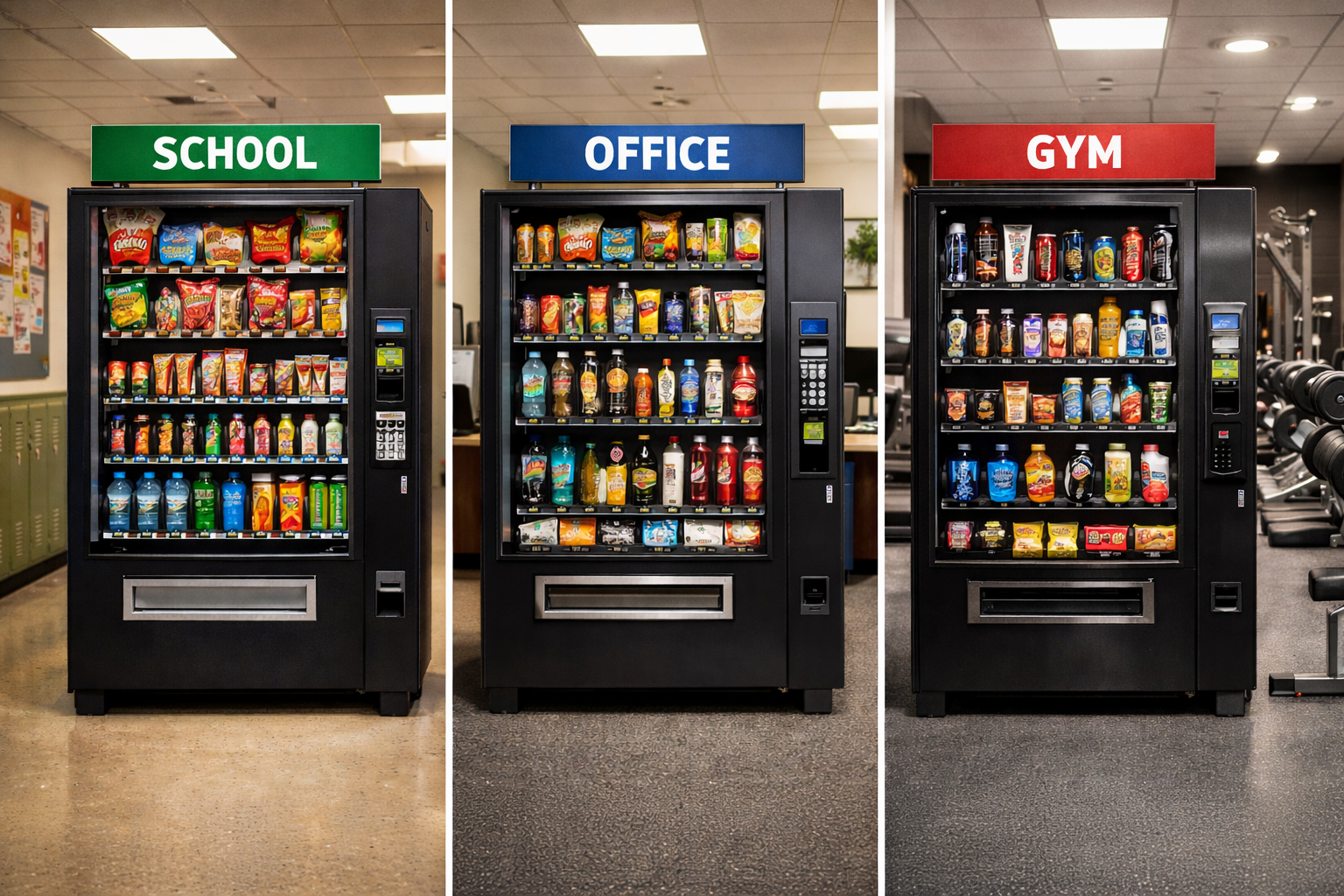
Best vending machines match location needs: schools require rugged, compliant healthy snack and water models; offices need sleek coffee combos and energy drink dispensers; gyms demand protein bar and electrolyte stations. U.S. data shows optimized units average $400+ monthly profit in high-traffic spots. Align hardware with demographics for 50% revenue gains and reliable sales.
Struggling to pick the right vending machine for schools, offices, or gyms? One mismatch can slash your monthly revenue by 50% due to low sales or picky crowds. This side-by-side guide reveals the top models for each location, backed by U.S. data showing optimized machines average $400+ profit per unit in high-traffic spots.
Introduction to Choosing Vending Machines for Schools, Offices, and Gyms
Picking the right vending machine isn't just about finding a box that dispenses food. It's about matching the hardware to the people using it. A machine that makes a fortune in a corporate break room might completely flop in a high school hallway.
The difference comes down to what people need in that specific moment. Are they looking for a morning caffeine fix, a post-workout recovery boost, or a compliant healthy snack between classes? Understanding these distinctions is the first step to building a profitable route. This guide breaks down exactly which machines work best for three of the most popular vending locations in the U.S.
What Makes a Vending Machine the "Best" for Different Locations
The "best" machine is simply the one that solves the specific problem of that location's demographic. You can have the most expensive technology in the world, but if it sells hot coffee in a gym that needs cold electrolytes, you won't make sales.
Success usually comes down to three core factors:
- High foot traffic and recurring usage from students, staff, and visitors
- Predictable demand tailored to location-specific needs like quick snacks or healthy options
- Diverse product offerings to match dietary preferences and schedules
If you align your machine choice with these factors, you set yourself up for consistent revenue.
Best Vending Machines for Schools
Schools are unique because they are highly regulated environments. You can't just put a standard junk food machine in a K-12 public school anymore. Federal guidelines, like the Smart Snacks in School standards, dictate what you can sell.
Because of this, the best machines for schools are modern glass-front merchandisers that highlight healthier packaging. They also need to be incredibly durable. Kids can be rough on equipment, so security cages or reinforced glass are often necessary investments to protect your inventory.
Healthy Snack and Nutrition-Focused Models
In schools, you need machines specifically designed to vend items that meet strict nutritional guidelines. These units often feature guaranteed delivery systems (like drop sensors) because students won't tolerate a machine that steals their money.
Look for machines with adjustable coils or conveyor belts. This flexibility allows you to vend unique packaging sizes common with baked chips, whole-grain bars, and fruit cups without jamming the mechanism.
Low-Sugar Beverage and Water Options
Beverage machines in schools are almost exclusively focused on hydration. The old soda stackers are largely gone from student areas. Instead, you want bottle-drop machines capable of handling various sizes of water bottles, 100% juice containers, and zero-sugar flavored waters.
These machines need high capacity. During lunch rushes or after gym class, a machine can sell out of water quickly. A high-capacity stacker or glass-front beverage center ensures you don't miss sales due to empty slots.
Best Vending Machines for Offices
Office environments are all about convenience and morale. Employers want to keep their teams happy and on-site, so the vending options need to feel like a perk rather than a last resort.
The best machines here are sleek, modern, and accept every form of payment, including Apple Pay and credit cards. White-collar workers rarely carry cash. Reliability and aesthetics matter more here than anywhere else. A broken or ugly machine reflects poorly on the office management, so you need equipment that looks professional.
Coffee, Snack Combo, and Micro-Market Units
For many offices, a standalone snack machine isn't enough. Combo machines are popular because they save space by dispensing both drinks and snacks from one unit.
However, the real winner in modern offices is the bean-to-cup coffee machine. These units grind fresh beans for every cup, offering a coffee shop experience in the break room. For larger offices, micro-markets (open rack displays with a self-checkout kiosk) are rapidly replacing traditional boxed machines entirely.
High-Capacity Energy Drink Dispensers
The "2:00 PM slump" is a real phenomenon in office culture. While coffee is great for mornings, many workers switch to cold energy drinks in the afternoon.
You need a beverage machine with flexible shims to handle slim cans (like Red Bull or Celsius) and standard cans (like Monster) alongside traditional soda bottles. Dedicated cold beverage machines with glass fronts work best here because seeing the condensation on the can drives impulse buys.
Best Vending Machines for Gyms
Gyms and fitness centers have a very specific customer base with a singular focus: performance and recovery. People here aren't looking for a casual treat. They have a specific nutritional goal in mind.
The best machines for gyms are often branded or wrapped to look like fitness stations. They need to handle non-standard packaging, as protein bars and shaker bottles don't always fit in standard snack coils.
Protein Bar and Supplement Machines
Standard chips and candy won't move in a gym. You need machines configured to vend dense protein bars, pre-workout powders, and even single-serve supplement packets.
These items are often heavier and more expensive than a bag of chips. This means your machine needs a robust motor and a high-security lock system. Since the price point is higher (often $3-$5 per item), a reliable card reader is non-negotiable.
Hydration and Electrolyte Stations
Water is the baseline, but the real money in gyms is in value-added hydration. Machines here should be stocked with electrolyte drinks, protein shakes, and vitamin waters.
Glass-front beverage machines are superior here. Gym-goers like to read the labels to check sugar content and protein grams before they buy. A closed-front stacker machine hides this information, which can kill a sale. Visibility is your best sales tool in a fitness environment.
Side-by-Side Comparison: Schools vs. Offices vs. Gyms
To help you visualize the differences, here is a quick breakdown of how these locations stack up against each other.
How Vending Machines Work in High-Traffic U.S. Locations
In high-traffic areas, a vending machine is a 24/7 retail store. The mechanics of success rely on uptime. If a machine is out of order in a busy location, you aren't just losing sales; you are losing the trust of the location manager.
Modern machines use telemetry to communicate with you. They send data to your phone telling you exactly what sold and if the machine is jammed. This allows you to restock efficiently without guessing. In the U.S. market, cashless readers are now the standard. Machines without card readers can see sales drop by up to 40% in high-traffic zones because fewer people carry cash.
Best Practices for Selecting and Operating Vending Machines
Getting the machine is just the start. How you operate it determines your profit margin. The golden rule is to listen to the location. Don't guess what they want—ask them.
Regular rotation is also vital. If a product isn't selling after two weeks, swap it out. Dead inventory is just cash sitting on a shelf doing nothing.
Location-Specific Placement Tips
Where you put the machine matters as much as what's inside it.
- Schools: Place machines in cafeterias or near gymnasiums. Avoid obscure hallways where vandalism can happen unseen.
- Offices: The break room is obvious, but near the copy machine or restrooms can also work well due to foot traffic.
- Gyms: The entry/exit point is prime real estate. People buy water on the way in and protein on the way out.
Maintenance and Inventory Strategies
Preventative maintenance is cheaper than emergency repairs. Clean the bill validators and coin mechs every time you restock. Dust on the sensors is the number one cause of jams.
For inventory, use a First-In, First-Out (FIFO) system. Always load new stock behind the old stock so the older items sell first. This is critical for expiration dates, especially with healthier products that have shorter shelf lives.
Common Mistakes to Avoid When Starting a Vending Route
New entrepreneurs often stumble on the same few hurdles. The biggest mistake is buying cheap, used machines that are outdated. If a machine can't accept a credit card reader or lacks drop sensors, it’s likely a bad investment, no matter how cheap it is.
Another error is ignoring the contract. Never place a machine without a written agreement spelling out commissions and responsibilities. Finally, don't overfill your machine with slow sellers. It’s better to have an empty slot than a slot filled with expired product that cost you money to buy.
How Vendingpreneurs Simplifies Launching Your Vending Business
Starting a vending business involves a lot of moving parts, from sourcing the right equipment to securing profitable locations. Vendingpreneurs streamlines this entire process.
They offer a "business-in-a-box" model that connects you with everything you need. Instead of cold-calling offices yourself, you can access their lead generation services. They also provide mentorship, so you aren't guessing which machines work best for your specific area. Whether you need financing, insurance, or just advice on product selection, they act as a central hub to get you operational faster.
Conclusion
Choosing the best vending machine depends entirely on where you plan to put it. Schools demand durability and compliance, offices expect convenience and coffee, and gyms require performance nutrition.
By matching your machine type and product menu to the specific needs of the location, you maximize your chances of success. Start with one solid location, choose the right equipment for that specific audience, and keep it well-stocked. That is the simple formula for a profitable vending business.
Frequently Asked Questions
What vending machine regulations apply to Eugene, OR schools?
Oregon follows federal Smart Snacks standards, requiring items under 200 calories, ≤10g sugar, and ≤230mg sodium. Eugene School District 4J enforces these strictly; use USDA-approved lists for compliance and check local health inspections via Lane County Public Health.
How much revenue can vending machines generate in Eugene offices?
Eugene office vending machines average $300-$800 monthly per unit in high-traffic spots like tech firms near University of Oregon. Cashless payments boost sales 30-40%; focus on coffee combos for 8 AM peaks, per local vending reports.
What are the best protein brands for gym vending in Eugene?
Stock Quest Nutrition bars, RXBARs, and Perfect Bars in Eugene gyms like EoS Fitness; they meet high-protein demands (20g+ per bar) and sell well post-workout. Use adjustable coils for varied packaging to avoid jams.
How often should I service vending machines in busy Eugene locations?
Service weekly in high-traffic Eugene spots like schools or gyms to maintain 98% uptime; clean validators, check telemetry alerts, and rotate stock FIFO. Local operators report this cuts downtime by 50% and prevents $100+ monthly losses.
Can I finance vending machines for a startup route in Oregon?
Yes, through Vendingpreneurs or local options like Banner Bank in Eugene offering $10K-$50K loans at 6-9% APR. SBA microloans via Lane Small Business Development Center provide up to $50K with vending-specific terms for quick startup.